Pacific, WA · King County
AC Unit Water Removal in Pacific, WAAC Condensate Drain Clearing & Emergency AC Water Removal
AC Unit Water Removal in Pacific covers AC leak water cleanup, AC condensate drain clearing and wet AC unit component drying.
Answered 24/7
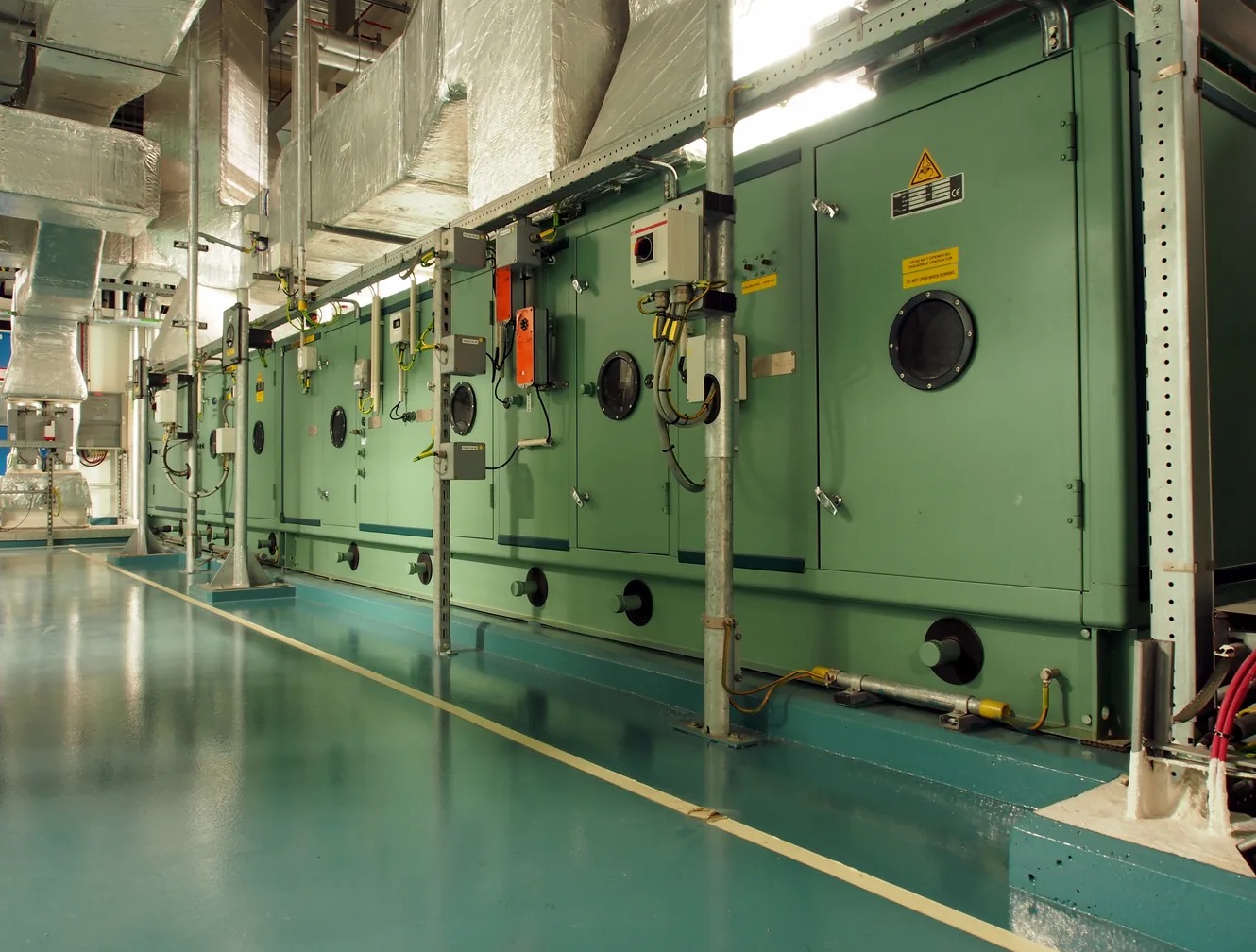
Local AC Unit Water Removal Services in Pacific, Washington
In Pacific, an AC that runs for months produces a steady flow of condensate. A blocked or disconnected drain line sends that flow into the house, where it soaks whatever sits below the unit.
In Pacific, AC leaks usually show up as ceiling stains under attic units, wet carpet near the furnace closet or water dripping from a vent. Help with AC unit water removal is available across Pacific and in Algona, Lakeland South and Edgewood, day or night, with extraction, drain clearing and drying.
AC Unit Water Removal Services in Pacific
AC Condensate Drain Clearing
The PVC drain line is cleared with suction or a flush, and the trap is checked so water stops backing up into the pan.
Emergency AC Water Removal
Help is available day or night for leaks that start after hours, when water dripping from an attic unit cannot wait until morning.
AC Leak Water Cleanup
Standing water around the indoor unit is pumped and vacuumed up first, before it wicks into drywall, baseboards or the subfloor.
Wet AC Unit Component Drying
Wet blower motors, panels and wiring are dried with gentle airflow and dehumidifiers rather than direct heat, which lowers the risk of corrosion and shorts.
AC Leak Mold Prevention
Surfaces that stayed damp, such as framing under the air handler, are treated after drying so leftover spores have less to feed on.
How to Know You Need AC Unit Water Removal in Pacific
Visible Mold Near AC
Dark spots on drywall or framing near the unit mean the area has stayed wet for days.
High Indoor Humidity Levels
Rooms that feel clammy while the AC runs may mean water is not draining and is evaporating back into the air.
Water Stains on Walls
Brown rings or peeling paint on the ceiling under an attic unit, or on walls near the closet, point to a slow leak.
Reduced Cooling Efficiency
A clogged drain can trip a float switch or starve the coil of airflow, so the system runs longer and cools less.
How AC Unit Water Removal Works in Pacific
Step 1: AC Unit Flood Cleanup
Water is extracted quickly to keep it from soaking into insulation, framing and the ceiling below.
Step 2: Drain Line Diagnosis and Clearing
The drain line is inspected for clogs, sags or loose fittings and cleared so water drains outside.
Step 3: Structural and Unit Drying
Air movers and dehumidifiers run around the unit, with daily moisture checks on walls and floors.
Step 4: System Check and Cleanup
The pan is cleaned, the drain is tested with water and the area is left dry.
Common Causes of AC Water Damage in Pacific
Dirty Air Filters
A clogged filter cuts airflow, which can freeze the coil and cause overflow when it melts.
Excess Outdoor Humidity
Very humid air makes the coil produce more water than a partly clogged drain can carry.
Age and Component Wear
Older units have worn fittings, brittle seals and corroded pans that start leaking together.
Disconnected Drain Line
A drain line knocked loose in the attic or closet empties condensate onto the ceiling or floor.
Expert AC Unit Water Removal for Any Property in Pacific
Residential AC Unit Water Removal
In a home, an AC leak usually hits a hallway ceiling, a closet floor or the carpet near the air handler. Water removal and drying start there, followed by drywall repair if needed.
Commercial AC Unit Water Removal
In offices and stores, a leaking rooftop or ceiling unit drips onto desks, stock and floors and creates slip hazards. Work can be scheduled around business hours where possible.
The Risks of DIY AC Unit Water Removal in Pacific
Mopping up a small drip and clearing the drain line with a wet vac is a reasonable DIY step. Call local water extraction experts if water reached the ceiling, walls or insulation, or if the leak keeps coming back after you clear the line.
AC Unit Water Removal Cost in Pacific, WA
The cost of AC unit water removal in Pacific depends on how much water leaked, which materials got wet and how long drying takes. A clogged line caught early costs far less than a soaked ceiling.
Leak Source and Severity
A slow drip near the closet costs less to fix than an attic overflow that soaked a ceiling and the room below.
Required Drying Time
Dense materials and enclosed spaces take longer to dry, which means more equipment days.
Secondary Damage Presence
Wet ceilings, swollen baseboards or damp framing add removal and repair work to the job.
Does Insurance Cover AC Unit Water Removal?
Many homeowner policies cover sudden water damage from an AC leak but not repairs to the unit itself or slow leaks from poor upkeep. Read your policy and call your insurer early.
The Value of Local Pros for AC Unit Water Removal in Pacific
Drain Pan Extraction
Both the main pan and the safety pan are emptied and checked for damage.
24/7 Emergency Response
Help is available any hour, which matters when an attic unit starts leaking into a ceiling at night.
Systematic Drain Line Clearing
The condensate line is cleared, not just the water mopped up, so the leak does not come right back.
24/7 Emergency AC Unit Water Removal Response in Pacific
Water from an air handler spreads fast through drywall and carpet. Call (253) 785-9361 for emergency AC unit water removal in Pacific at any time of the day or night.
Call Now (253) 785-9361Local AC Unit Water Removal Coverage for Pacific, Algona, Lakeland South and Edgewood
Need AC unit water removal outside Pacific? Service also covers Algona, Lakeland South and Edgewood, day or night, for any leaking AC unit.
- AC Unit Water Removal in Algona
- AC Unit Water Removal in Lakeland South
- AC Unit Water Removal in Edgewood
- AC Unit Water Removal in Auburn
- AC Unit Water Removal in Milton
- AC Unit Water Removal in Federal Way
- AC Unit Water Removal in Lakeland North
- AC Unit Water Removal in Fife
- Emergency Damage Restoration in 98047
- Storm Damage Restoration in 98047
- Water Damage Restoration in 98047
- Water Extraction Service in 98047
- Water Leak Detection in 98047
- Water Removal Service in 98047
Your AC Unit Water Removal Questions Addressed
How does antimicrobial treatment help after an AC leak?
Once surfaces are dry, an antimicrobial can be applied to wood and drywall that stayed wet to slow microbial growth.
What happens during AC water extraction?
Pumps and extractors remove water from the pan, floor and carpet, then moisture meters check walls and subfloor for hidden water.
What clogs an AC condensate line?
Algae, sludge, dust and debris build up inside the line, especially over long cooling seasons, until water backs up into the pan.
How long does drying take after an AC leak?
Often several days, depending on the materials and how long they were wet. Daily readings track progress.
Why document AC water damage?
Photos and moisture readings show what got wet and how it was dried, which helps your insurance claim.