Kent, WA · King County
Antimicrobial Treatment Services in Kent, WAPost Flood Disinfection Services & Basement Mold Prevention Treatment
Get Antimicrobial Treatment Services in Kent for bathroom mold treatment, HVAC duct sanitization and post flood disinfection services once surfaces are dry.
Answered 24/7
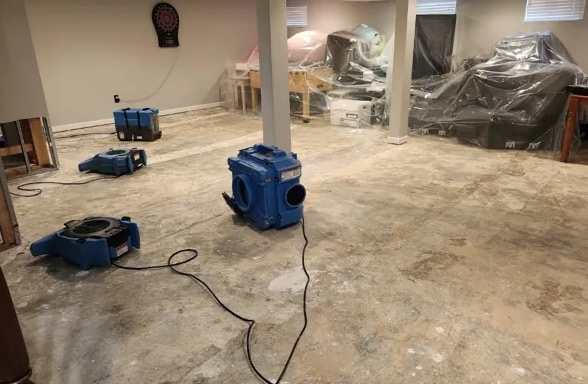
Professional Antimicrobial Treatment Services in Kent, WA
Homes in Kent that went through a flood or sewage backup need surfaces disinfected before rooms are rebuilt and used again. That includes lower walls, floors, cabinets and any framing left in place.
In Kent, antimicrobial treatment is usually part of a larger water damage job. Local surface sanitization experts serve Kent, East Hill, Des Moines and Lakeland North, treating framing, subfloors and hard surfaces once drying is complete.
Comprehensive Antimicrobial Treatment Services for Kent Homes
Post Flood Disinfection Services
Disinfection after a flood covers the lower walls, floors and anything kept from the affected rooms, once the standing water is gone.
Basement Mold Prevention Treatment
After water is pumped out and the basement dried, an antimicrobial is applied to lower walls, framing and the slab where water sat.
Mold Remediation Antimicrobial Treatment
After damaged materials are removed and the area is dried, an EPA-registered antimicrobial is applied to framing and subfloor to slow regrowth on surfaces that stay in place.
Kitchen Surface Disinfection
Countertops and cabinet interiors that touched dirty water are washed and treated with a disinfectant that is labeled safe for food-prep surfaces.
Emergency Sewage Sanitization
Sewage and other contaminated water are cleaned up with protective gear, contaminated porous materials are removed, and hard surfaces are disinfected.
Signs You Need Professional Antimicrobial Treatment
Visible Mold on Surfaces
Dark spots on drywall, wood or grout after a leak mean the surface stayed wet long enough to need cleaning and treatment.
Persistent Musty or Mildew Odors
A musty or sour smell that lingers after a leak was cleaned up suggests wet or contaminated materials are still in the room.
Sewage or Dirty Water Contact
Any surface touched by sewage or floodwater needs cleaning and disinfection, not just drying.
Peeling Paint or Warped Drywall
Bubbling paint, soft drywall or warped trim show water got into the material, which may need removal before treatment.
How Antimicrobial Treatment Services Work in Kent
Step 1: Source Identification
The leak, flood or backup that caused the damage is traced and stopped before any treatment begins.
Step 2: Source Removal and Decontamination
Contaminated water and soaked porous materials such as carpet pad and drywall are removed with protective gear.
Step 3: Air and Surface Disinfection
Hard surfaces are washed and then disinfected, and air scrubbers filter dust from the room while work continues.
Step 4: Drying Validation and Odor Control
Moisture readings confirm the materials are dry, and any lingering odors are addressed with extra cleaning or deodorizing.
Factors Contributing to Surface Sanitizing Issues in Kent
Sewage Backups and Toilet Overflows
Sewage carries bacteria and other contaminants that require disinfection of every surface it touches.
Appliance Malfunctions and Overflows
Dishwashers, washers and water heaters leak into cabinets and subfloors where water hides and stays.
Storm Flooding and Natural Disasters
Floodwater carries soil and contaminants into walls, floors and anything it reaches.
Condensation on Cold Surfaces
Warm, humid air condensing on cold pipes, ducts and windows keeps nearby surfaces wet.
Antimicrobial Treatment Services for Homes and Businesses in Kent
Residential Antimicrobial Treatment Services
In houses, the crawl space and the cabinets under sinks are common hidden spots. They are dried and treated even if the rooms above look fine after a leak.
Commercial Antimicrobial Treatment Services
In larger buildings, ductwork and ceiling cavities can spread odor from one wet area to many rooms. Those spaces are checked and treated as part of the job.
DIY Limitations Versus Professional Antimicrobial Treatment Services in Kent
You can dry a small leak and clean the surface yourself. Treating framing inside walls, crawl spaces or ductwork needs the source fixed, the material dried and the right product, which is harder to do at home.
Pricing Considerations for Antimicrobial Treatment Services in Kent
In Kent, most of the cost comes from cleaning time, removal of soaked materials and the product used. A walk-through sets the scope before work begins.
Affected Square Footage
Larger treated areas need more product, more cleaning time and more labor.
Contamination Severity
Sewage and floodwater need more removal and disinfection than a clean water leak, which raises the cost.
Odor Elimination Needs
Lingering odor may need extra cleaning or deodorizing steps beyond the antimicrobial.
Does Insurance Cover Antimicrobial Treatment Services?
Insurers often ask how long materials were wet. Records showing when the leak started, when it was found and when drying finished help answer that question clearly.
Benefits of Local Pros for Antimicrobial Treatment Services in Kent
Post-Treatment Checks
Moisture readings and a final walk-through confirm the area is dry and clean before rebuilding.
Containment to Prevent Cross-Contamination
Plastic sheeting and controlled airflow keep contamination out of clean rooms during work.
Surface and Air Treatment
Hard surfaces are cleaned and disinfected, and air scrubbers can be used while work is under way.
Emergency Antimicrobial Treatment in Kent
The sooner wet, dirty surfaces are cleaned and treated, the less material needs replacing. Call (253) 785-9361 for antimicrobial treatment services in Kent.
Call Now (253) 785-9361Antimicrobial Treatment Services Available Throughout King County
Need antimicrobial treatment services outside Kent? Service also covers East Hill, Des Moines and Lakeland North, with emergency help for sewage backups.
- Antimicrobial Treatment Services in East Hill
- Antimicrobial Treatment Services in Des Moines
- Antimicrobial Treatment Services in Lakeland North
- Antimicrobial Treatment Services in SeaTac
- Antimicrobial Treatment Services in Auburn
- Antimicrobial Treatment Services in Federal Way
- Antimicrobial Treatment Services in Tukwila
- Antimicrobial Treatment Services in Covington
- Emergency Damage Restoration in 98030
- Storm Damage Restoration in 98030
- Water Damage Restoration in 98030
- Water Extraction Service in 98030
- Water Leak Detection in 98030
- Water Removal Service in 98030
- Emergency Damage Restoration in 98031
- Storm Damage Restoration in 98031
Common Antimicrobial Treatment Services Questions Answered
What is the difference between disinfecting and sanitizing surfaces?
Sanitizing lowers germs on a surface. Disinfecting kills a wider range of germs as listed on the product label. Sewage cleanup calls for disinfection.
Where is crawl space antimicrobial treatment usually needed?
On joists, subfloor and sill plates that got wet from a plumbing leak or seepage, after the space is dried and debris removed.
Why is emergency sewage sanitization different from regular cleaning?
Sewage and contaminated water carry bacteria and other contaminants, so they need protective gear, containment and disinfection, not just drying.
How do I know if I need mold remediation antimicrobial treatment?
If framing or subfloor stayed wet for days, shows dark spots after drywall removal or smells musty, it likely needs cleaning and treatment after drying.
Is kitchen surface disinfection different from regular cleaning?
Yes. Surfaces that touched dirty water are cleaned and then disinfected with a product suited to food-prep areas.