Clyde Hill, WA · King County
Attic Water Extraction in Clyde Hill, WARoof Leak Water Removal & Attic Mold Prevention
Attic Water Extraction in Clyde Hill runs from attic leak water cleanup and attic drying services to ceiling water damage cleanup.
Answered 24/7
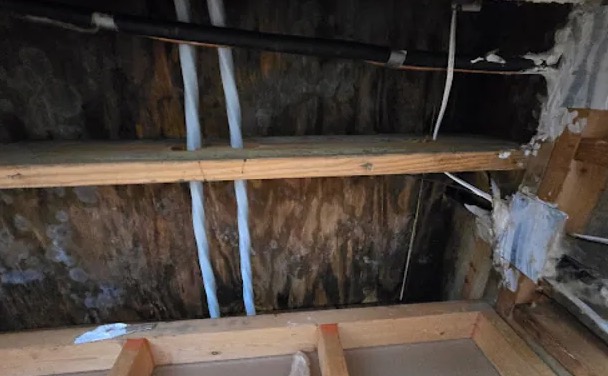
Attic Water Extraction Response in Clyde Hill
In Clyde Hill, the first sign of attic water is often a brown stain or a bulge in an upstairs ceiling. By then, insulation above it may already be soaked and holding water against the drywall.
A storm in Clyde Hill can push water into an attic in one night. Local water removal experts serve Clyde Hill and nearby Medina, Bellevue and Kirkland, with extraction available around the clock.
Attic Water Extraction and Damage Mitigation in Clyde Hill
Roof Leak Water Removal
Rain that entered through damaged shingles, flashing or vents is extracted, and the leak point is photographed so the roofer can find it.
Attic Mold Prevention
Once wood is dry, roof decking and rafters that stayed wet can be treated with an antimicrobial to slow microbial growth.
Wet Attic Insulation Removal
Insulation is removed only where it got wet. Dry insulation nearby is left in place and protected during the work.
Attic Drying Services
Drying runs until wood framing and ceiling drywall reach normal readings. Equipment is moved as each area dries.
Emergency Attic Water Extraction
Help is available any hour, because water sitting on top of a ceiling can bring the drywall down within a day.
Warning Signs You Need Attic Water Extraction in Clyde Hill
Puddles or Standing Water
Pooled water on the attic floor or on top of drywall needs extraction right away.
Peeling Paint or Wallpaper
Paint that bubbles or peels on upstairs ceilings often has water behind it.
Water Stains on Ceiling
A brown or yellow stain on an upstairs ceiling usually means water is sitting on the drywall from the attic.
Increased Indoor Humidity
Upstairs rooms that feel humid or clammy may have moisture coming down from the attic.
How Attic Water Extraction Works in Clyde Hill
Step 1: Emergency Water Extraction
Active drips are caught and pooled water is vacuumed from the decking and drywall tops right away.
Step 2: Wet Insulation Removal
Soaked insulation is bagged and removed so air can reach the wood and the ceiling drywall below.
Step 3: Attic Drying Process
Air movers and dehumidifiers are set on boards across the joists and run until readings drop.
Step 4: Final Moisture Inspection
Readings on decking, rafters and the ceiling confirm the attic is dry before new insulation goes in.
Frequent Sources of Attic Leaks in Clyde Hill
Gutter and Downspout Blockages
Clogged gutters and downspouts let water back up under the roof edge.
Condensation From Poor Ventilation
Warm, moist air from the house condenses on roof decking when the attic lacks ventilation.
Skylight or Chimney Flashing Failure
Worn flashing around skylights and chimneys lets rain run down into the attic.
Plumbing Leaks in Attic
Supply lines and water heaters in the attic can leak or burst onto the ceiling below.
Attic Water Extraction for Homes and Businesses in Clyde Hill
Residential Attic Water Extraction
In two-story homes, attic leaks can reach upstairs ceilings and run down into walls. Each wet area is checked with a meter and dried.
Commercial Attic Water Extraction
Flat-roof buildings often have leaks that travel far before they drip. The water path above the ceiling is traced so no wet section is missed.
The Risks of DIY Attic Water Extraction in Clyde Hill
If it is safe, you can look into the attic with a flashlight to find the wet area. Removing water and insulation from between joists takes boards, protective gear and drying equipment.
Evaluating Attic Water Extraction Expenses in Clyde Hill
In Clyde Hill, insulation removal and replacement are often the largest part of an attic job, along with drying equipment and ceiling repair.
Access and Complexity
Low headroom, tight access hatches and narrow joists make the work slower.
Mold Prevention Steps
Antimicrobial treatment of wood that stayed wet is an added step, priced by area.
Type of Water Involved
Clean rainwater is simpler to remove than water from a drain line or a dirty source.
Does Insurance Cover Attic Water Extraction?
Damage to the ceiling and rooms below an attic leak is usually part of the same claim. Show the adjuster both spaces.
The Value of Local Pros for Attic Water Extraction
Ceiling Damage Mitigation
Sagging ceilings are drained and removed safely before they can fall into the room.
Attic Drying
Framing, decking and the ceiling below are all dried, not just the spot under the leak.
Detailed Documentation
Photos, readings and drying logs are kept to support your insurance claim.
24/7 Emergency Attic Water Extraction in Clyde Hill
Night, weekend or holiday, local water removal experts handle attic water in Clyde Hill. Call (253) 785-9361 to get the water out and the ceiling protected.
Call Now (253) 785-9361Attic Water Extraction Coverage in Clyde Hill, Medina, Bellevue and Kirkland
Help with attic water extraction reaches Medina, Bellevue and Kirkland, plus other communities around Clyde Hill, for houses, townhomes and commercial buildings.
FAQ on Attic Water Extraction in Clyde Hill
Why is a moisture inspection important after extraction?
Extraction removes pooled water, but wood and drywall stay wet inside. Meters show what still needs drying.
How quickly should I deal with water in my attic?
Right away. Water sitting on ceiling drywall can make it sag or fall within a day, and wet wood starts to break down.
Can I remove attic water myself?
Small drips onto plastic can be handled, but pooled water and soaked insulation need safe footing, equipment and drying.
What equipment is used for attic drying services?
Air movers, dehumidifiers, moisture meters and thermal cameras, plus wet vacs and HEPA vacuums for water and insulation removal.
How does roof repair relate to attic water extraction?
The roof must be fixed or tarped to stop new water. Extraction and drying deal with the water already inside.