Lakeland North, WA · King County
Attic Water Extraction in Lakeland North, WAAttic Mold Prevention & Emergency Attic Water Extraction
Attic Water Extraction in Lakeland North includes attic leak water cleanup, roof leak water removal and ceiling water damage cleanup.
Answered 24/7
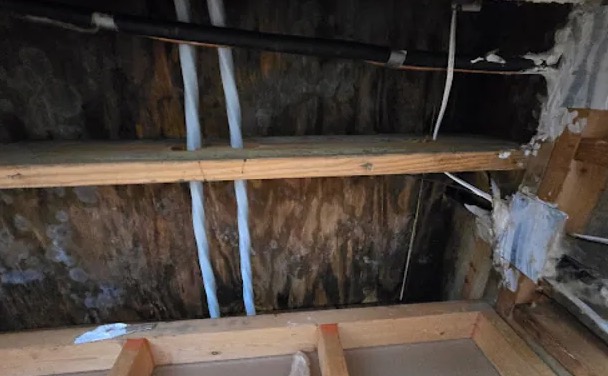
Attic Water Extraction Response in Lakeland North
Attic water is hard to reach. Joists are narrow, headroom is low and the ceiling drywall cannot hold a person's weight. In Lakeland North, extraction in an attic takes boards, lighting and careful footing.
A storm in Lakeland North can push water into an attic in one night. Local restoration pros serve Lakeland North and nearby Federal Way, Auburn and Lakeland South, with extraction available around the clock.
Comprehensive Attic Water Extraction Services in Lakeland North
Attic Mold Prevention
Once wood is dry, roof decking and rafters that stayed wet can be treated with an antimicrobial to slow microbial growth.
Emergency Attic Water Extraction
Help is available any hour, because water sitting on top of a ceiling can bring the drywall down within a day.
Wet Attic Insulation Removal
Soaked insulation holds water like a sponge and keeps the ceiling below wet. It is bagged and removed so the area underneath can dry.
Attic Leak Water Cleanup
Water from a roof or plumbing leak usually runs along rafters before it drips. Cleanup follows that path and removes water wherever it pooled.
Attic Moisture Inspection
Readings taken at each visit show drying progress and give you a record for your insurer.
When to Call for Attic Water Extraction in Lakeland North
Insect Infestations in Attic
Wet wood draws insects, so new activity in the attic can be a sign of an ongoing leak.
Increased Indoor Humidity
Upstairs rooms that feel humid or clammy may have moisture coming down from the attic.
Musty Odors From Attic
A musty smell from the attic hatch or upstairs rooms often points to wet insulation or wood.
Water Dripping From Light Fixtures
Water dripping from a ceiling light or fan is a sign of an active leak above. Turn off that circuit.
How Attic Water Extraction Works in Lakeland North
Step 1: Initial Attic Moisture Inspection
Meters and thermal cameras show where water pooled and how far it spread from the leak.
Step 2: Roof Leak Water Removal
Rainwater is extracted from the attic floor, and a tarp is placed over roof damage if needed.
Step 3: Dehumidification and Air Scrubbing
Dehumidifiers dry the attic air while air scrubbers capture dust from insulation removal.
Step 4: Verification of Dryness
Final readings are compared with dry areas to confirm the attic and ceiling are back to normal.
Typical Origins of Attic Flooding in Lakeland North, WA
Skylight or Chimney Flashing Failure
Worn flashing around skylights and chimneys lets rain run down into the attic.
Roof Leaks From Storm Damage
Wind and hail can lift or break shingles, letting rain reach the decking and the attic floor.
Aging or Deteriorated Roofing Materials
Old, curled or cracked shingles and worn underlayment let water through during heavy rain.
Condensation From Poor Ventilation
Warm, moist air from the house condenses on roof decking when the attic lacks ventilation.
Attic Water Extraction for Homes and Businesses in Lakeland North
Residential Attic Water Extraction
In townhomes and condos, attic leaks can cross into a neighbor's space. Clear photos and readings help sort out repairs with the association.
Commercial Attic Water Extraction
Property managers get records for each affected unit or suite, which helps with roof repair planning and insurance claims.
Attic Water Extraction vs. DIY: When to Call the Pros
Do not walk on attic drywall between the joists. It will not hold your weight. If water is pooled up there, call (253) 785-9361 instead of trying to reach it.
Understanding Attic Water Extraction Cost in Lakeland North
Water extracted from an attic in Lakeland North the same day usually means less ceiling drywall to replace than water left over a weekend.
Type of Water Involved
Clean rainwater is simpler to remove than water from a drain line or a dirty source.
Extent of Water Damage
More water and a larger wet area mean more extraction time and more drying equipment.
Required Drying Time
Dense framing and decking can take several days to dry, adding equipment time.
Does Insurance Cover Attic Water Extraction?
Damage to the ceiling and rooms below an attic leak is usually part of the same claim. Show the adjuster both spaces.
Why Choose Local Pros for Attic Water Extraction in Lakeland North
Ceiling Damage Mitigation
Sagging ceilings are drained and removed safely before they can fall into the room.
Roof Leak Location
The leak point is marked and photographed so the roofer can fix the right spot.
Industry Extraction Standards
Extraction and drying follow industry water damage standards, with readings at every visit.
Around-the-Clock Attic Water Extraction in Lakeland North
Water in the attic soaks the ceiling below fast. Call (253) 785-9361 for attic water extraction in Lakeland North at any hour, including storms and holidays.
Call Now (253) 785-9361Local Attic Water Extraction Areas Including Lakeland North
Help with attic water extraction reaches Federal Way, Auburn and Lakeland South, plus other communities around Lakeland North, for houses, townhomes and commercial buildings.
Your Attic Water Extraction Questions in Lakeland North, WA
Why is a moisture inspection important after extraction?
Extraction removes pooled water, but wood and drywall stay wet inside. Meters show what still needs drying.
What happens during ceiling water damage cleanup?
Water in the ceiling is drained, sagging drywall is removed, debris is cleared and the cavity is dried before repairs.
How long does the attic drying process take?
Often several days, depending on how wet the wood is, the attic temperature and how much insulation was removed.
What should I do while waiting for water damage help?
Catch drips with a bucket, move belongings, keep away from sagging ceilings and turn off power to wet fixtures.
Can I remove attic water myself?
Small drips onto plastic can be handled, but pooled water and soaked insulation need safe footing, equipment and drying.