Parkland, WA · Pierce County
Attic Water Extraction in Parkland, WARoof Leak Water Removal & Attic Drying Services
Attic Water Extraction in Parkland includes attic leak water cleanup, roof leak water removal and ceiling water damage cleanup.
Answered 24/7
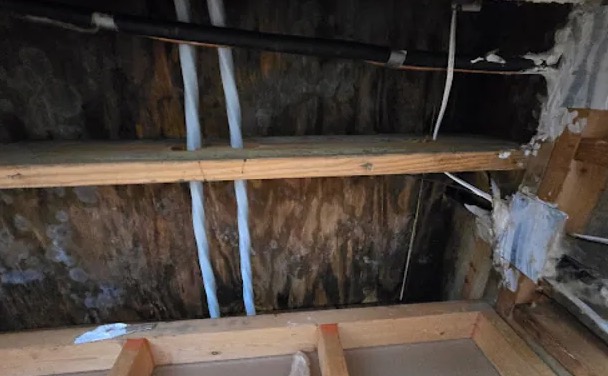
Attic Water Extraction Solutions in Parkland, Washington
In Parkland, the first sign of attic water is often a brown stain or a bulge in an upstairs ceiling. By then, insulation above it may already be soaked and holding water against the drywall.
In Parkland, Midland, Lakewood and Spanaway, attic leaks often go unnoticed until a ceiling stains. The pros get the water and wet insulation out before the ceiling has to be replaced.
The Attic Water Extraction Process for Properties in Parkland
Roof Leak Water Removal
Rain that entered through damaged shingles, flashing or vents is extracted, and the leak point is photographed so the roofer can find it.
Attic Drying Services
Air movers and dehumidifiers are set on boards across the joists to dry rafters, decking and the ceiling below safely.
Attic Moisture Inspection
Moisture meters and thermal cameras check decking, rafters, insulation and ceiling drywall for water that is not visible.
Attic Leak Water Cleanup
Leak cleanup clears water, wet debris and fallen insulation from the attic floor so the wood and ceiling can start drying.
Ceiling Water Damage Cleanup
Ceiling cleanup covers the room below: fallen drywall, wet insulation and debris are cleared, and the floor is protected.
When to Call for Attic Water Extraction in Parkland
Increased Indoor Humidity
Upstairs rooms that feel humid or clammy may have moisture coming down from the attic.
Rotting Wood in Attic
Soft or crumbling wood in the attic, especially around vents and valleys, points to long-term leaks.
Condensation on Attic Surfaces
Droplets or damp patches on the underside of the roof decking point to a moisture and ventilation problem.
Peeling Paint or Wallpaper
Paint that bubbles or peels on upstairs ceilings often has water behind it.
How Attic Water Extraction Works in Parkland
Step 1: Attic Leak Source Identification
The pros trace the water to the roof, a pipe or the AC pan and stop it with a tarp or shut-off.
Step 2: Flooded Attic Cleanup
Water, wet debris and fallen insulation are removed, and stored items are moved out of the attic.
Step 3: Structural Drying Setup
Equipment is placed to dry the framing and decking, with the room below checked and dried too.
Step 4: Attic Mold Prevention Treatment
Once dry, wood that stayed wet for days can be cleaned and treated with an antimicrobial.
Frequent Sources of Attic Leaks in Parkland
Aging or Deteriorated Roofing Materials
Old, curled or cracked shingles and worn underlayment let water through during heavy rain.
HVAC System Condensate Overflow
AC air handlers in the attic overflow when the condensate line clogs or the pan cracks.
Gutter and Downspout Blockages
Clogged gutters and downspouts let water back up under the roof edge.
Condensation From Poor Ventilation
Warm, moist air from the house condenses on roof decking when the attic lacks ventilation.
Attic Water Extraction for All Properties in Parkland
Residential Attic Water Extraction
At home, attic water usually ends up on a bedroom or hallway ceiling. Water is extracted from above, wet insulation removed and the ceiling below dried or replaced.
Commercial Attic Water Extraction
In commercial buildings, water above a drop ceiling soaks tiles and insulation across several rooms. Wet tiles come down and the space above them is extracted and dried.
Professional Attic Water Extraction or DIY in Parkland?
If it is safe, you can look into the attic with a flashlight to find the wet area. Removing water and insulation from between joists takes boards, protective gear and drying equipment.
Factors in Attic Water Extraction Pricing in Parkland, WA
Roof repair is billed separately from extraction and drying. In Parkland, both are needed after most roof leaks.
Size of the Affected Area
A leak that spread across the whole attic costs more than one confined to a single bay.
Mold Prevention Steps
Antimicrobial treatment of wood that stayed wet is an added step, priced by area.
Required Drying Time
Dense framing and decking can take several days to dry, adding equipment time.
Does Insurance Cover Attic Water Extraction?
Photograph the ceiling, attic and any roof damage before cleanup starts, and keep receipts for tarping and emergency extraction for your claim.
Advantages of Hiring Local Pros for Attic Water Extraction in Parkland
Mold Prevention Focus
Fast drying of attic wood is the main way to limit microbial growth after a leak.
Industry Extraction Standards
Extraction and drying follow industry water damage standards, with readings at every visit.
Wet Insulation Handling
Wet insulation is bagged and removed without spreading debris into the living space.
24/7 Attic Water Extraction for Parkland Emergencies
If water is dripping from a light fixture, shut off that circuit at the panel and stay clear. Then call (253) 785-9361 for help in Parkland.
Call Now (253) 785-9361Local Attic Water Extraction Areas Including Parkland
Help with attic water extraction is also available in communities near Parkland, including Midland, Lakewood and Spanaway, for roof leaks and attic equipment failures.
Frequently Asked Questions About Attic Water Extraction
What are signs of hidden attic water damage?
Ceiling stains, a musty smell upstairs, matted insulation, dark spots on decking and rusted nails.
How do I know if I need emergency water extraction in the attic?
If water is dripping, the ceiling is bulging or stained, or you can see pooled water in the attic, call right away.
Can wet attic insulation be saved?
Lightly damp areas sometimes dry, but soaked or matted insulation is usually removed and replaced after the attic is dry.
What happens during ceiling water damage cleanup?
Water in the ceiling is drained, sagging drywall is removed, debris is cleared and the cavity is dried before repairs.
Is microbial growth common after an attic leak?
It is more likely when wood and insulation stay wet for days. Fast extraction and drying lower that risk.