South Hill, WA · Pierce County
Basement Water Damage Restoration in South Hill, WABasement Wall Drying & Basement Drying Services
Basement Water Damage Restoration in South Hill runs from basement water extraction and basement floor water removal to basement dehumidification.
Answered 24/7
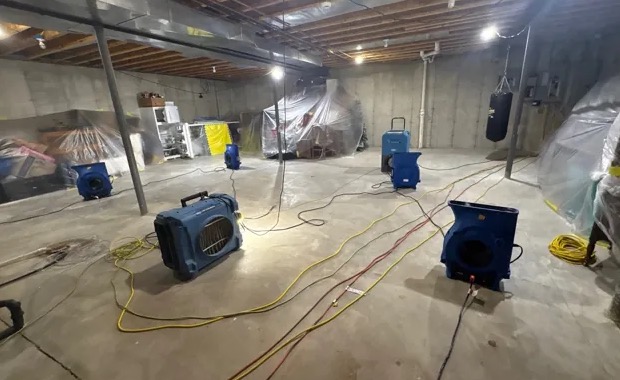
Basement Water Damage Restoration Solutions in South Hill, Washington
Sewage backups are one of the most common problems in any basement or lower level, including in South Hill. Water coming up through a floor drain or basement toilet carries bacteria and needs a different cleanup than clean water.
One burst pipe or heavy storm in South Hill can flood a basement. Local water damage pros serve South Hill and nearby Puyallup, Orting and Sumner, with help available around the clock.
Complete Basement Water Damage Restoration for South Hill
Basement Wall Drying
Finished basement walls hide wet insulation and framing. Removing the bottom of the drywall lets air reach the cavity.
Basement Drying Services
Air movers and dehumidifiers are placed to dry walls, framing and the slab. Below-grade rooms dry slowly, so readings are taken daily.
Basement Dehumidification
A basement with no moisture problem before the flood may still need a dehumidifier afterward while the concrete dries.
Basement Mold Prevention
Fast extraction and drying are the main ways to limit microbial growth in a basement. Surfaces that stayed wet can be treated once dry.
Basement Floor Water Removal
Water on a concrete floor is squeegeed and extracted, and floor coverings such as carpet, vinyl or laminate are lifted to dry the slab.
When to Consider Basement Water Damage Restoration for Your South Hill Home
Damp or Musty Odors
A damp, earthy or musty smell in the basement often means hidden moisture in walls, carpet or the slab.
High Humidity Levels Below-Grade
A basement that stays damp and clammy even on dry days has a moisture source that needs attention.
Wet or Stained Basement Walls
Dark, wet patches or tide lines on basement walls show where water seeped in or wicked up.
Standing Water in the Basement
Any standing water on the basement floor needs pumping right away, before it soaks walls and framing.
How Basement Water Damage Restoration Works in South Hill
Step 1: Initial Assessment and Water Removal
The source and type of water are identified, and standing water is removed right away.
Step 2: Focused Drying of Materials
Walls, framing and the slab are dried with directed airflow, with wet insulation removed.
Step 3: Air Quality Management
Air scrubbers filter dust and odors from removal work while drying continues.
Step 4: Documentation for Restoration
Photos, readings and a list of removed materials are prepared for insurance and rebuilding.
Why Basement Water Damage Occurs in South Hill
HVAC Condensate Line Overflow
A clogged furnace or air conditioner condensate line can overflow onto the floor of a basement or lower-level utility room.
Sump Pump Mechanical Failure
A sump pump that fails, loses power or is too small lets groundwater rise into the basement.
Window Well Flooding
Window wells without drains or covers fill with rain and leak through basement windows.
High Water Table and Hydrostatic Pressure
A high water table pushes groundwater up through the slab and into the joints between wall and floor.
Basement Water Damage Restoration for All Properties in South Hill
Residential Basement Water Damage Restoration
Homeowners with older basements may have seepage that returns with each storm. Drying fixes the current damage, and the source is noted for a waterproofing contractor.
Commercial Basement Water Damage Restoration
Apartment and condo buildings with shared basements or lower levels may have laundry and storage below grade. Each area is extracted, dried and recorded for the building manager.
Basement Water Damage Restoration vs. DIY: When to Call the Pros
Do not walk into standing basement water if outlets, cords or appliances are submerged. Shut off power at the panel if you can reach it safely, then call (253) 785-9361.
Basement Water Damage Restoration Cost in South Hill, WA
Before pricing basement water damage restoration in South Hill, the pros check the water depth, the type of water and what the basement is finished with.
Secondary Damage
Damage to furnaces, water heaters and belongings adds repair and replacement costs.
Drying Time Required
Basements dry slowly, and longer drying means more equipment days and monitoring visits.
Water Category
Clean water costs less to handle than sewage, which needs protective gear, removal and disinfection.
Does Insurance Cover Basement Water Damage Restoration?
Many homeowner policies cover sudden basement water from a burst pipe, but not seepage or groundwater. Sewer backup coverage is often a separate add-on, so check your policy.
The Value of Local Pros for Basement Water Damage Restoration in South Hill
Industrial-Grade Equipment
Pumps, extractors and large dehumidifiers remove water much faster than household wet vacs and fans.
Water Type Handling
Clean water, gray water and sewage are each handled with the right protection and removal steps.
Detailed Documentation
Photos, readings and drying logs are kept to support your insurance claim.
South Hill Emergency Basement Water Damage Restoration Response
If water is near outlets or the electrical panel, do not walk into it. Call (253) 785-9361 for help in South Hill and wait for the power to be made safe.
Call Now (253) 785-9361Basement Water Damage Restoration Available Throughout Pierce County
Help with basement water damage restoration is also available in communities near South Hill, including Puyallup, Orting and Sumner, for flooded basements and sewer backups.
- Basement Water Damage Restoration in Puyallup
- Basement Water Damage Restoration in Orting
- Basement Water Damage Restoration in Sumner
- Basement Water Damage Restoration in Frederickson
- Basement Water Damage Restoration in Bonney Lake
- Basement Water Damage Restoration in Edgewood
- Basement Water Damage Restoration in Prairie Ridge
- Basement Water Damage Restoration in Fife
Frequently Asked Questions About Basement Water Damage Restoration
How long does below-grade drying take after a flood?
Often several days or longer, since concrete and cool basement air dry slowly. Daily readings show progress.
What are signs of hidden moisture after below-grade water extraction?
Musty smells, tide lines on walls, damp carpet edges and moisture readings that stay high in walls or the slab.
What is the purpose of basement wall drying?
To remove water from drywall, insulation, framing and concrete so the walls can be repaired without trapping moisture.
Can wet basement drywall be saved after water damage?
Sometimes, if the water was clean and removed quickly. Soaked or sewage-contaminated drywall is cut out above the water line.
Should I try below-grade waterproofing myself after flooding?
Sealing a small crack can be a DIY job, but drying must come first, and larger waterproofing work should go to a contractor.