Poulsbo, WA · Kitsap County
Basement Water Removal in Poulsbo, WABasement Wall Drying & Basement Moisture Inspection
Basement Water Removal in Poulsbo runs from basement water pump out and basement drying services to basement dehumidification.
Answered 24/7
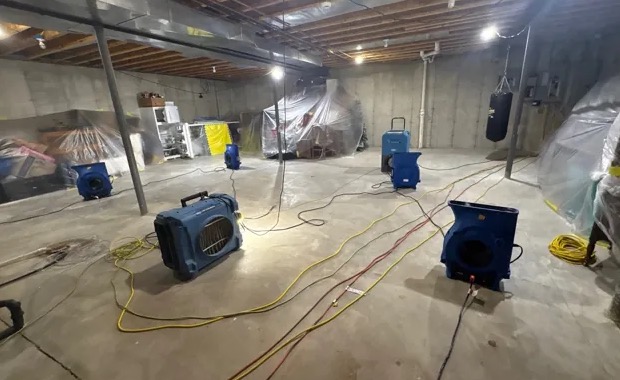
Professional Basement Water Removal in Poulsbo, WA
Basement Water Removal in Poulsbo starts with safety. Water near the furnace, water heater or electrical panel can be dangerous, so power is made safe before anyone steps into it.
Homes in Poulsbo and nearby Silverdale, Bainbridge Island and Bremerton with basements face storm seepage, sewer backups and plumbing leaks. Help with basement water removal covers pump-out, wall and floor drying and dehumidification.
Basement Water Removal Services in Poulsbo
Basement Wall Drying
Basement walls are checked with moisture meters. Wet drywall is cut back above the water line, and insulation behind it is removed.
Basement Moisture Inspection
An inspection shows how high water wicked up the walls and how far it spread under flooring, which sets the drying plan.
Basement Floor Water Damage
Water on a basement floor soaks into carpet pad, laminate seams and the concrete itself. Floor coverings are lifted where needed so the slab can dry.
Sump Pump Failure Water Cleanup
When a sump pump stops, groundwater spreads across the floor. The water is pumped out and the floor and lower walls are extracted.
Basement Dehumidification
Dehumidifiers run continuously during drying, and their output is checked to track how much water is still coming out of the materials.
Common Symptoms Requiring Basement Water Removal
Mold or Mildew
Dark spots on drywall, framing or stored items mean the area has stayed wet for days.
Efflorescence on Concrete Walls
White, powdery deposits on concrete walls mean water is passing through the masonry.
Musty Odors and Mold Smell
A musty or damp smell in the basement points to wet materials hidden somewhere in the space.
Warped or Buckling Flooring
Flooring that buckles, lifts or feels spongy has water trapped between it and the slab.
How Basement Water Removal Works in Poulsbo
Step 1: Source Control and Water Pump Out
The leak is shut off and standing water is pumped out, starting at the lowest point.
Step 2: Water Extraction
Extractors pull water from carpet, pad and concrete, and wet vacs clear corners and stairs.
Step 3: Dehumidification and Drying
Large dehumidifiers and air movers dry walls, framing and slab over several days.
Step 4: Inspection and Clearance for Repair
Final readings confirm the basement is dry and ready for drywall and flooring repairs.
Common Causes of Basement Water Damage in Poulsbo
Clogged or Damaged Gutters
Clogged gutters and short downspouts dump roof water right next to the foundation.
Window Well Leaks and Drainage
Window wells without drains or covers fill with rain and leak through the windows.
Plumbing Leaks or Pipe Bursts
Supply lines, drain pipes and water heaters in the basement can leak or burst onto the floor.
Foundation Cracks and Seepage
Cracks in foundation walls and the slab let groundwater seep in during wet weather.
House and Business Basement Water Removal in Poulsbo
Residential Basement Water Removal
In homes, a wet basement often means damaged carpet, drywall and stored belongings, plus a furnace or water heater sitting in water. Water is pumped out and the space dried.
Commercial Basement Water Removal
In commercial buildings, basements often house mechanical rooms and storage. Water is removed quickly so systems can be checked and restarted safely.
Why DIY Basement Water Removal Often Fails in Poulsbo
You can move belongings up off the floor and run the dehumidifier you already own. Drying soaked walls and slab needs larger equipment and readings to confirm the job is done.
Factors Affecting Basement Water Removal Cost
The pros look at water depth, water type and basement finishes before pricing basement water removal in Poulsbo, then explain the scope.
Basement Square Footage
Larger basements need more extraction, more drying equipment and more days of drying.
Additional Services
Antimicrobial treatment, contents cleaning and repairs after drying add to the cost.
Contamination Level
Sewage or dirty water needs protective gear, removal and disinfection, which costs more.
Does Insurance Cover Basement Water Removal?
Many homeowner policies cover sudden basement water from a burst pipe but not groundwater seepage. Sewer backup coverage is often an add-on, so check yours.
Why Choose Local Pros for Basement Water Removal in Poulsbo
Post-Service Moisture Verification
Final readings are recorded before equipment leaves, so you know the basement is dry.
Contamination Safety Protocols
Sewage and dirty water are handled with protective gear, containment and disinfection.
Methodical Water Removal Process
Water is removed in a set order: pump-out, extraction, removal of soaked materials, then drying.
Emergency Basement Water Removal Available 24/7
Basement taking on water in Poulsbo? Make power safe if you can, move what you can and call (253) 785-9361. Help is available 24/7.
Call Now (253) 785-9361Basement Water Removal Serving Poulsbo and Surroundings
Help with basement water removal is also available in communities near Poulsbo, including Silverdale, Bainbridge Island and Bremerton, for flooded basements and sewer backups.
- Basement Water Removal in Silverdale
- Basement Water Removal in Bainbridge Island
- Basement Water Removal in Bremerton
- Basement Water Removal in Edmonds
- Basement Water Removal in Shoreline
- Basement Water Removal in Mountlake Terrace
- Basement Water Removal in Brier
- Basement Water Removal in Port Orchard
- Emergency Damage Restoration in 98370
- Storm Damage Restoration in 98370
- Water Damage Restoration in 98370
- Water Extraction Service in 98370
- Water Leak Detection in 98370
- Water Removal Service in 98370
Basement Water Removal FAQs
What should I do right after basement flooding?
Make power safe, avoid sewage, move belongings above the water, take photos and call for water removal.
What equipment is used for basement water extraction?
Submersible pumps, extractors, wet vacs, air movers, large dehumidifiers and moisture meters to confirm drying.
Can wet drywall in a basement be saved?
Sometimes, if the water was clean and removed quickly. Soaked or contaminated drywall is cut out above the water line.
What is involved in basement water removal?
Making power safe, pumping out standing water, extracting floors and carpet, removing soaked materials and dehumidifying until dry.
Does basement flood cleanup include mold prevention?
Fast drying is the main prevention. Wood and concrete that stayed wet can be treated with an antimicrobial once dry.