Cottage Lake, WA · King County
Bathroom Water Removal in Cottage Lake, WAWet Bathroom Drywall Removal & Toilet Overflow Water Removal
Bathroom Water Removal in Cottage Lake covers bathroom leak water cleanup, toilet overflow water removal and bathroom drying services.
Answered 24/7
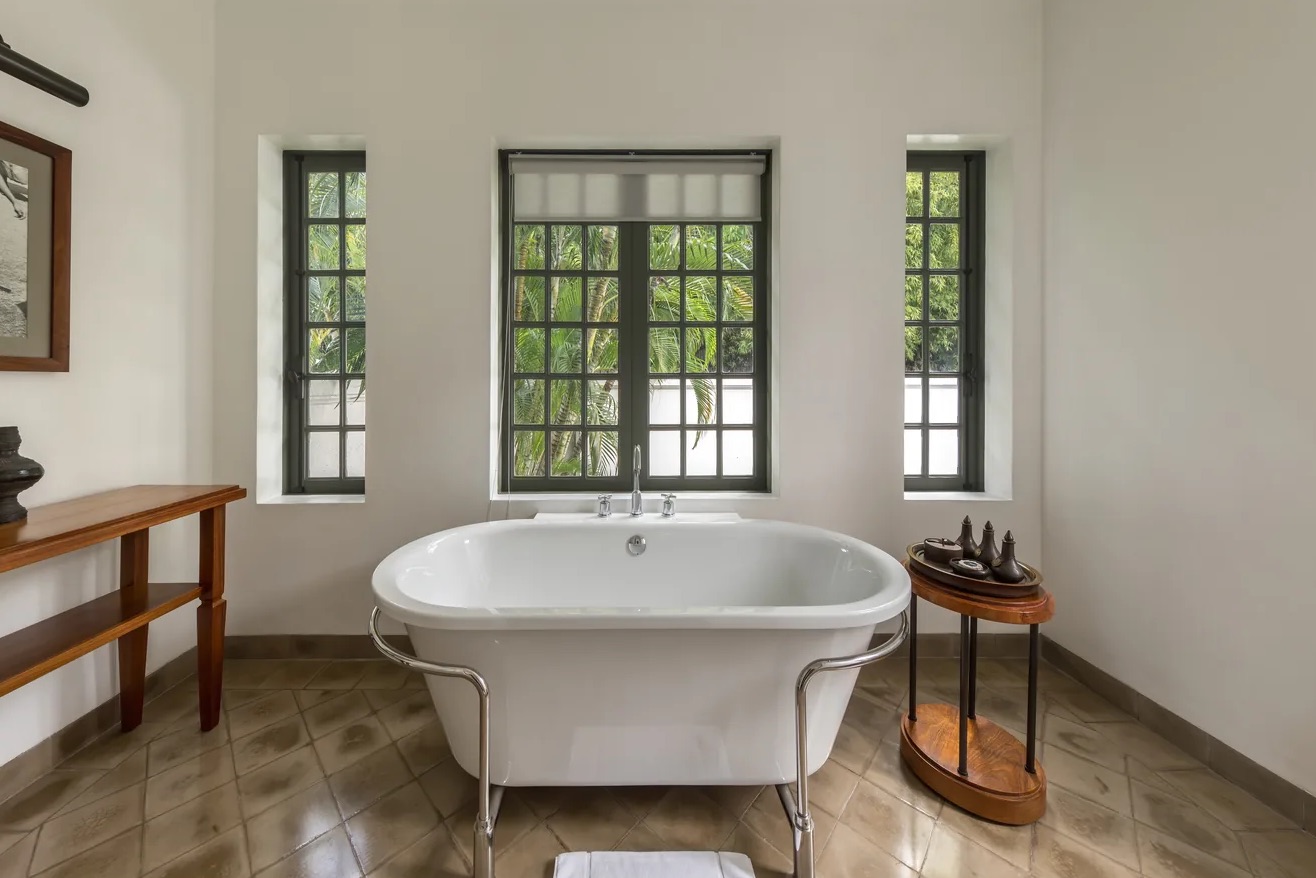
Bathroom Water Removal Solutions in Cottage Lake, Washington
Bathroom Water Removal in Cottage Lake gets the bathroom ready for repair. Water is removed, wet drywall and subfloor are taken out where needed and the structure is dried.
In Cottage Lake, Woodinville, Duvall and Bothell, older bathrooms often have worn shower pans and wax rings. The pros find the water they let into floors and walls and dry it out.
Bathroom Water Removal and Related Services in Cottage Lake
Wet Bathroom Drywall Removal
Bathroom drywall that stays damp after a leak tends to crumble and stain. Removing the wet section is often faster than waiting for it to dry.
Toilet Overflow Water Removal
After the water is removed, floors, baseboards and the toilet base are cleaned and disinfected, and soaked rugs or carpet are discarded.
Shower Leak Water Damage Repair
After drying, the shower can be repaired properly instead of covering a wet wall with new tile.
Bathroom Drying Services
Air movers and dehumidifiers sized for a small room dry the floor, walls and vanity, with readings taken each day.
Water Damaged Subfloor Removal
A subfloor that is only damp can usually be dried in place. Soft, rotted or delaminated sections are replaced after drying.
When to Consider Bathroom Water Removal for Your Cottage Lake Home
Shower Pan or Drain Leak
Water appearing outside the shower, or stains on the ceiling below it, point to a pan or drain leak.
Cracked or Loose Toilet Seal
A toilet that rocks or has water around its base likely has a failed wax ring seal.
Spongy or Soft Floor Tiles
Tiles that feel loose or spongy underfoot usually sit on a wet or weakened subfloor.
Discolored or Bubbling Drywall
Drywall that bubbles, stains or feels soft near the tub, shower or toilet has absorbed water.
How Bathroom Water Removal Works in Cottage Lake
Step 1: Safety and Assessment
Power to wet outlets and fans is shut off, and the floor is checked for soft spots before work.
Step 2: Targeted Water Extraction
Water is removed from grout lines, the vanity base and around the toilet and tub.
Step 3: Drying Strategy
Equipment is placed for the subfloor, wall cavities and the ceiling below if it got wet.
Step 4: Documentation for Insurance
Photos, readings and a list of removed materials are prepared for your claim.
Common Causes of Bathroom Water Damage in Cottage Lake
Burst or Leaking Pipes in Walls
Pipes inside bathroom walls can crack from age or cold weather and leak out of sight.
Condensation and Poor Ventilation
Steam from showers condenses on walls and ceilings when the fan is missing or not vented outside.
Sink Drain or P-Trap Leaks
Loose sink drains and leaking P-traps drip into the vanity and onto the floor.
Overflowing Sink or Bathtub
A tub or sink left running overflows onto the floor and into nearby rooms.
Bathroom Water Removal for All Properties in Cottage Lake
Residential Bathroom Water Removal
In homes, bathroom water often reaches the hallway carpet and the ceiling below. Water is extracted, the subfloor dried and the ceiling below checked and dried.
Commercial Bathroom Water Removal
In offices, gyms and restaurants, restroom overflows need extraction and disinfection so the restroom can reopen and nearby areas stay clean.
When to Hire Local Pros for Bathroom Water Removal in Cottage Lake
You can turn off the valve behind the toilet or under the sink, pull up wet rugs and take photos. Drying a wet subfloor or wall cavity needs moisture meters and drying equipment.
Understanding Bathroom Water Removal Costs in Cottage Lake
Toilet overflow cleanup in Cottage Lake costs more than a clean water leak, because soaked items are discarded and surfaces disinfected.
Structural Complexity
Pulling a toilet, vanity or tub to reach wet framing adds time to the job.
Equipment Requirements
The number of drying units and the days they run make up much of the cost.
Water Damage Extent
A leak caught on the surface costs far less than one that soaked the subfloor and the room below.
Does Insurance Cover Bathroom Water Removal?
The fixture repair itself, like a new wax ring or shower pan, is often not covered even when the water damage is. Ask your adjuster how it is handled.
Advantages of Hiring Local Pros in Cottage Lake for Bathroom Water Removal
Detailed Moisture Inspection
Moisture meters and thermal cameras find water under tile and behind walls before it causes rot.
24/7 Emergency Response
Help is available day or night when a toilet overflows or a supply line bursts.
Targeted Drying Procedures
Drying equipment is aimed at subfloors and wall cavities, where bathroom water hides.
24/7 Emergency Bathroom Water Removal in Cottage Lake
The longer water sits under tile and around the toilet, the more subfloor rots. Call (253) 785-9361 for bathroom water removal in Cottage Lake as soon as you see it.
Call Now (253) 785-9361Bathroom Water Removal Service Area Around Cottage Lake
Nearby areas served for bathroom water removal include Woodinville, Duvall and Bothell, with the same extraction and drying steps used in Cottage Lake.
Frequently Asked Questions About Bathroom Water Removal
What is bathroom mold prevention after water removal?
Drying wet materials quickly, fixing ventilation and treating framing that stayed wet with an antimicrobial after drying.
What tools are used for emergency bathroom water extraction?
Wet vacs, portable extractors, air movers, dehumidifiers, moisture meters and thermal cameras sized for small rooms.
Are bathroom drying services noisy or disruptive?
Air movers and dehumidifiers make steady noise, but in a bathroom the equipment is small and the door can often be closed.
What happens during a bathroom moisture inspection?
Meters check the floor, walls and ceiling below, including spots under tile and behind fixtures that look dry.
When is wet bathroom drywall removal necessary?
When drywall is soaked, soft, stained by toilet water or has been wet for days. Lightly damp drywall can sometimes be dried.