Fife, WA · Pierce County
Crawl Space Water Removal in Fife, WACrawl Space Debris Removal & Crawl Space Dehumidification
Crawl Space Water Removal in Fife includes emergency crawl space pump-out, crawl space vapor barrier repair and crawl space insulation replacement.
Answered 24/7
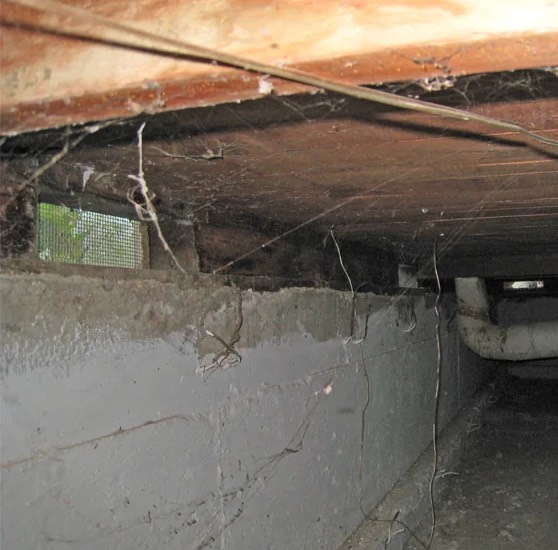
Local Crawl Space Water Removal for Fife Residents
Floors that feel soft or bouncy in a Fife home can sit over wet joists or subfloor. Long-term moisture in the crawl space weakens wood and fasteners.
A storm in Fife can push water under a house overnight. Local crawl space water removal pros serve Fife and nearby Milton, Tacoma and Edgewood, with help available around the clock.
Detailed Crawl Space Water Removal Offerings in Fife
Crawl Space Debris Removal
Debris on the vapor barrier holds water and odors. Clearing it lets the barrier and soil underneath dry.
Crawl Space Dehumidification
Crawl space air stays damp after water removal. Dehumidifiers run until both humidity and wood readings are normal.
Crawl Space Sump Pump Installation
A sump pump in a crawl space is placed where water naturally collects, with discharge piped away from the foundation.
Crawl Space Insulation Replacement
New insulation is fitted snugly between the joists and supported so it does not sag onto the crawl space floor.
Emergency Crawl Space Pump-Out
Help is available any hour when a crawl space floods from a burst pipe or storm. Pumps go in as soon as the area is safe.
Warning Signs You Need Crawl Space Water Removal
Rust on Metal Components
Rust on straps, nails and pipe hangers under the house shows repeated moisture.
Active Mold or Mildew
Visible mold on joists or the underside of the subfloor means the wood has stayed damp too long.
Musty Odors From Below
A musty, earthy smell inside the house often rises from a damp crawl space below.
Rotting Wood Joists or Beams
Soft, dark or crumbling joists and beams point to long-term moisture in the crawl space.
How Crawl Space Water Removal Works in Fife
Step 1: Emergency Crawl Space Pump-Out
Power is made safe and pumps are set at the low point to remove standing water.
Step 2: Debris and Insulation Removal
Mud, debris and soaked insulation are bagged and removed from under the house.
Step 3: Drying and Dehumidification
Dehumidifiers and air movers dry the framing, with readings taken every day until normal.
Step 4: Barrier and Insulation Replacement
Damaged barrier is replaced, and new insulation goes in once the wood reads dry.
What Causes Crawl Space Flooding in Fife
Storm Sewer Backup or Overload
An overloaded storm sewer can back up and push water toward the house and crawl space.
Clogged or Inadequate Drain Tile
Drain tile around the foundation that is clogged or too small lets water build up.
Cracked Foundation Walls or Footings
Cracks in foundation walls and footings let water seep into the crawl space.
Poor Exterior Drainage and Grading
Ground that slopes toward the house sends rainwater into the crawl space.
Residential and Commercial Crawl Space Water Removal in Fife
Residential Crawl Space Water Removal
Older homes may have thin or missing barriers. After drying is a good time to replace them with a full barrier.
Commercial Crawl Space Water Removal
Shops and restaurants in older buildings may have plumbing under the floor. Leaks there are pumped and dried quickly to keep floors firm.
Crawl Space Water Removal vs. DIY: When to Call the Pros
Do not crawl into a wet crawl space if wiring, junction boxes or the furnace are near the water. Shut off power if it is safe and call (253) 785-9361.
Factors Affecting Crawl Space Water Removal Cost in Fife
Insulation and barrier replacement, sump pump installation and after-hours calls all add to the total for crawl space water removal in Fife.
Water Volume
More water in the crawl space means more pumping and longer drying.
Emergency Timing
Night, weekend and holiday calls can cost more than a scheduled weekday visit.
Moisture Saturation
Joists and subfloor that soaked up a lot of water take longer to dry than damp surfaces.
Does Insurance Cover Crawl Space Water Removal?
Sump pump installation is usually treated as an upgrade rather than a repair. Ask your adjuster before assuming it is covered.
Selecting Local Pros for Crawl Space Water Removal in Fife
Insulation Check
Insulation is checked with meters, and only the wet sections are removed and replaced after drying.
Debris Removal
Mud, debris and contaminated materials are removed so the crawl space can dry and stay clean.
Mold Prevention Focus
Fast drying, and treatment of wood that stayed wet, limits microbial growth under the floors.
Urgent Crawl Space Water Removal Response in Fife
Night, weekend or holiday, local crawl space water removal pros handle crawl space water in Fife. Call (253) 785-9361 to get pumps and dehumidifiers running.
Call Now (253) 785-9361Local Crawl Space Water Removal Coverage for Fife
Crawl space water removal also covers homes and buildings in Milton, Tacoma and Edgewood, close to Fife, day or night.
- Crawl Space Water Removal in Milton
- Crawl Space Water Removal in Tacoma
- Crawl Space Water Removal in Edgewood
- Crawl Space Water Removal in Midland
- Crawl Space Water Removal in Lakeland South
- Crawl Space Water Removal in Puyallup
- Crawl Space Water Removal in Parkland
- Crawl Space Water Removal in Pacific
Your Crawl Space Water Removal Questions Resolved
Should wet crawl space insulation be replaced?
Yes. Wet insulation holds water against the wood and stops insulating, so it is removed and replaced after drying.
What equipment is used for crawl space water extraction?
Submersible pumps, extraction tools, dehumidifiers sized for crawl spaces, air movers and moisture meters for the framing.
Is crawl space flood cleanup a DIY job?
Not usually. Tight spaces, electrical hazards and contaminated water make it a job for equipment and protective gear.
What follows crawl space water cleanup?
New insulation and barrier are installed, and drainage work is planned to prevent repeat flooding.
How is crawl space debris removal handled?
Mud, leaves, fallen insulation and other debris are bagged and removed after the water is pumped out.