Federal Way, WA · King County
Crawlspace Cleaning & Sanitation in Federal Way, WACrawlspace Pest Waste Cleanup & Crawlspace Vapor Barrier Installation
Professional Crawlspace Cleaning & Sanitation for Federal Way properties includes crawlspace standing water removal, crawlspace encapsulation services, and crawlspace debris cleanup.
Answered 24/7
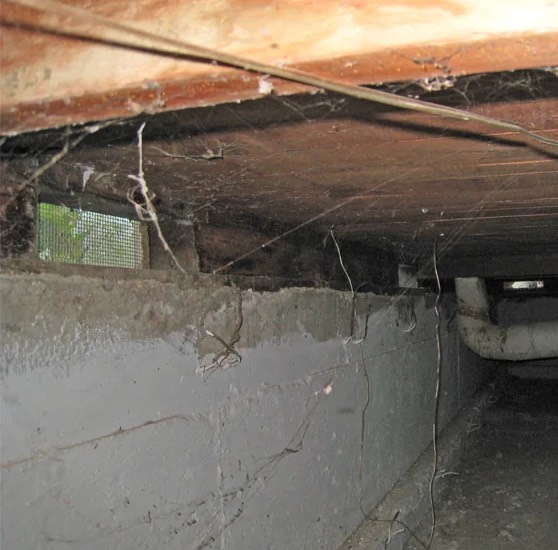
Expert Crawlspace Cleaning & Sanitation for Federal Way Residents
Crawlspace issues in Federal Way often stem from moisture intrusion, creating ideal conditions for mold growth and musty odors that permeate upstairs rooms.
Crawlspace issues in Federal Way and surrounding locations like Lakeland North, Lakeland South and Auburn can lead to musty smells and poor air quality if not addressed. Local crawlspace sanitation experts specialize in crawlspace water damage cleanup, standing water removal, and encapsulation services.
Crawlspace Cleaning & Sanitation Services in Federal Way
Crawlspace Pest Waste Cleanup
The experts in Federal Way remove feces, urine-soaked materials and nesting debris. They focus on entry points where contamination concentrates. Cleanup comes before encapsulation or vapor barrier work.
Crawlspace Vapor Barrier Installation
Vapor barrier installation creates a moisture seal between home and earth. Professionals select appropriate thickness for Federal Way conditions. Taping at seams and wall fastening transforms damp spaces.
Crawlspace Encapsulation Services
Full encapsulation addresses moisture and pest problems. It involves lining floors and walls with heavy-duty barriers. Dehumidifiers often maintain optimal humidity levels in sealed spaces.
Crawlspace Standing Water Removal
The experts pump out standing water and perform moisture mapping. They document damage with photos and readings for a homeowner's insurance claim. Fast removal is the first critical step.
Crawlspace Odor Elimination
Persistent odors indicate underlying sanitation problems. Professionals assess causes like dead animals or soaked insulation. After source removal, ozone generators may break down odor molecules.
Indicators Your Crawlspace Needs Cleaning in Federal Way
Peeling Floor Finish or Paint
Finish failure on floors or baseboards can be caused by vapor drive from a damp crawlspace.
Pest Droppings or Debris Buildup
Rodent waste, nests or debris under your home need cleanup before they spread odors and disease.
Musty Odors From the Crawlspace
Persistent musty smells rising from the floor indicate poor crawlspace air quality that needs sanitation.
Increased Allergy Symptoms Indoors
More frequent sneezing or respiratory issues at home can point to contaminated air from an unclean crawlspace.
How Crawlspace Cleaning & Sanitation Works in Federal Way
Step 1: Crawlspace Assessment and Inspection
The experts begin with a visual and instrumental inspection to map moisture, debris, mold, and pest issues.
Step 2: Debris Removal and Waste Extraction
All organic waste, old insulation, and pest debris are safely removed, clearing the space for the subsequent crawlspace cleaning process.
Step 3: Mold Remediation and Surface Sanitation
Antimicrobials are applied to wood and soil surfaces to treat mold and remaining spores.
Step 4: Vapor Barrier Installation and Sealing
A new, robust vapor barrier is installed and sealed at walls and piers, completing the core crawlspace encapsulation service for moisture control.
Sources of Crawlspace Odors and Debris
Groundwater Seepage and Flooding
Saturated soil or minor flooding keeps the crawlspace damp long after the rain stops.
Plumbing Leaks or Pipe Condensation
Leaking supply lines or sweating cold water pipes add moisture to the crawlspace and feed mold.
Insufficient Crawlspace Ventilation
Blocked or insufficient vents trap humid air, creating ideal conditions for mold growth and musty smells.
Inadequate or Damaged Vapor Barrier
A torn, missing, or poorly installed vapor barrier allows soil moisture to evaporate into the space.
Home and Business Crawlspace Cleaning & Sanitation Services
Residential Crawlspace Cleaning & Sanitation
In residential settings, moisture from a dirty crawlspace can warp hardwood floors and damage subflooring. The pros clear debris and install vapor barriers.
Commercial Crawlspace Cleaning & Sanitation
In commercial properties, standing water or pest waste in a crawlspace poses liability and operational risks. Professionals provide systematic standing water removal and sanitation to prevent business interruptions and code violations.
Crawlspace Cleaning & Sanitation vs. DIY: When to Call Crawlspace Sanitation Experts
You can safely inspect your crawlspace for visible debris, standing water, or obvious pest entry points using proper protective gear. Remove any easily accessible trash or stored items blocking vents to improve airflow.
What Affects Crawlspace Cleaning & Sanitation Expenses
Expenses are shaped by water damage cleanup extent and moisture control. Removing standing water is a first step. Addressing resulting mold and installing encapsulation adds layers. Vapor barrier size and dehumidifier needs are also factored.
Vapor Barrier Installation
The quality and thickness of the moisture barrier, along with the preparation of the subfloor, influence the material and labor costs for this service.
Material Removal Volume
The amount of contaminated insulation, soil, or debris that must be bagged and disposed of contributes to labor and disposal fees.
Dehumidification Requirements
The size and number of commercial-grade dehumidifiers needed to achieve proper drying and humidity control after water removal affect equipment costs.
Does Insurance Cover Crawlspace Cleaning & Sanitation?
For water damage cleanup in Federal Way, coverage may apply if the source is sudden and internal. External groundwater often requires separate flood insurance. Mold from covered water may be included. Experts document with photos and readings for the insurer.
Selecting Local Experts for Crawlspace Cleaning & Sanitation
Clear Scope of Work Communication
You receive a straightforward explanation of the necessary steps, from initial debris removal to final sanitation, so expectations are managed from the start.
Detailed Damage Documentation
For insurance purposes, pros photograph damage and record moisture readings, creating a clear record of conditions before and after remediation.
Advanced Odor Elimination Techniques
Beyond masking smells, they use sanitization and air scrubbing to neutralize musty odors at their source, improving the overall air quality of your home.
24/7 Emergency Crawlspace Cleaning & Sanitation Available
When you discover significant water, mold, or hazardous waste in your crawlspace in Federal Way, a delayed response can lead to costly secondary damage. The number to call is (253) 785-9361.
Call Now (253) 785-9361Crawlspace Cleaning & Sanitation Near Federal Way: Areas Served
Effective crawlspace pest waste cleanup and sanitation protect homes in Federal Way and the surrounding region including Lakeland North, Lakeland South and Auburn.
Crawlspace Cleaning & Sanitation FAQ for Homeowners
What are the signs I need crawlspace odor elimination?
A persistent musty or earthy smell in your home, especially on lower floors, often indicates mold or organic decay in the crawlspace requiring professional assessment and cleaning.
What happens during crawlspace debris cleanup?
Pros safely remove all loose debris, contaminated insulation, old storage items, and construction waste, then sanitize the area to prepare it for any further moisture control installations.
Why consider crawlspace dehumidification alongside cleaning?
Cleaning removes current contaminants, but dehumidification addresses the high humidity that causes them. Combining both tackles the problem completely for a lasting, dry, and clean result.
How long does crawlspace vapor barrier installation take?
Installation time varies with size and preparation needed, but for a standard home, the experts can typically complete the sealing and anchoring of a quality barrier within a day.
After crawlspace water damage cleanup, what's next?
Following water extraction, the focus shifts to structural drying with air movers and dehumidifiers, then inspection for mold, and finally, sanitation and often recommendations for moisture prevention.