Kent, WA · King County
Desiccant Dehumidification in Kent, WABasement Dehumidification & Emergency Dehumidification
Desiccant Dehumidification in Kent covers flood drying services, crawl space drying and emergency dehumidification.
Answered 24/7
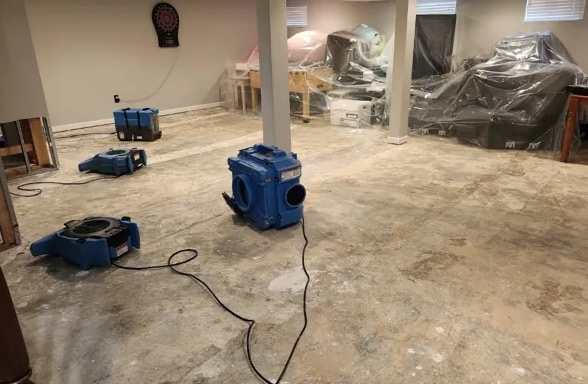
Professional Desiccant Dehumidification in Kent, WA
Crawl spaces in Kent are cool, damp and tight, which slows drying with standard equipment. Desiccant units push dry air in to pull moisture from the joists and subfloor.
In Kent, desiccant drying is often used in crawl spaces and large buildings after floods. Local drying pros serve Kent, East Hill, Des Moines and Lakeland North, choosing equipment based on readings.
Desiccant Dehumidification Methods Used in Kent
Basement Dehumidification
Basement concrete and framing release water slowly. Desiccant drying keeps humidity low so they can dry in a reasonable time.
Emergency Dehumidification
Help is available any hour to set up drying equipment after a leak or flood, so moisture does not sit overnight in materials.
Crawl Space Drying
Water is removed from the crawl space first, then desiccant drying brings humidity down so the framing can dry.
Flood Drying Services
Floodwater is treated as contaminated, so soaked porous materials are removed and surfaces cleaned before drying starts.
Construction Drying Services
Readings on slabs and framing show when materials are dry enough for the next stage of work.
Symptoms Requiring Desiccant Dehumidification in Kent
High Humidity Readings on Meter
A hygrometer that keeps reading high humidity days after a leak shows the space is not drying.
Peeling Paint or Wallpaper
Paint or wallpaper that peels after a leak has moisture behind it that has not dried.
Efflorescence on Masonry Surfaces
White, powdery deposits on masonry show water moving through concrete or block.
Musty Smell in Stored Items
Boxes and fabrics that smell musty show the space has stayed damp too long.
How Desiccant Dehumidification Works in Kent
Step 1: Emergency Moisture Evaluation
The wet area is mapped and the right size and type of dehumidifier is chosen.
Step 2: High-Capacity Setup
Large desiccant units are placed for big spaces or cool areas where standard units struggle.
Step 3: Active Drying Cycle
Dry air is moved across wet materials, with daily readings to track progress.
Step 4: Completion and Insurance Records
Final readings and daily drying logs are compiled into a record for your insurer.
What Leads to Humidity Damage Needing Desiccant Dehumidification in Kent
Groundwater Rise After Heavy Rains
Groundwater rising after long rains keeps crawl spaces and lower levels damp.
New Construction Moisture Trapped
New concrete, drywall mud and framing on job sites hold moisture until they are dried.
Severe Weather and Storm Flooding
Storms and flooding soak lower levels and leave large volumes of wet material.
HVAC System Condensation Issues
Clogged AC drain lines overflow into attics, closets and the ceilings below them.
Desiccant Dehumidification for Homes & Businesses in Kent
Residential Desiccant Dehumidification
Homeowners with damp basements may need desiccant drying after a flood because cool concrete and air slow standard units.
Commercial Desiccant Dehumidification
Warehouses with large slabs and stock need humidity kept low during drying to protect inventory and dry the concrete.
The Limits of DIY Desiccant Dehumidification in Kent
For a small spill in a warm room, a household dehumidifier and fan may be enough. Call local drying pros if drywall, flooring or framing got wet or the space is cool and damp.
Investing in Desiccant Dehumidification for Kent Properties
Repairs after drying are a separate cost. In Kent, fully dried materials often mean fewer repairs are needed.
Access and Complexity
Crawl spaces, tight areas and large buildings take more effort to set up and monitor.
Type of Water Damage
Floodwater and sewage need cleaning and removal of materials before drying, which adds cost.
Additional Restoration Steps
Extraction, material removal and cleaning before drying are separate steps that add to the total.
Does Insurance Cover Desiccant Dehumidification?
Many homeowner policies cover drying after sudden water damage, like a burst pipe, but not long-term humidity or groundwater problems. Check your policy and call your insurer early.
Benefits of Local Pros for Desiccant Dehumidification in Kent
Industry Drying Standards
Drying follows industry water damage standards, with readings taken at every visit.
Structural Drying
Walls, floors and framing are dried, not just the air in the room.
Damage Assessment
The full affected area is checked, including rooms next to and below the source.
24/7 Desiccant Dehumidification for Kent Emergencies
Crawl space or lower level wet after a storm? Call (253) 785-9361 now for desiccant dehumidification in Kent before the framing stays damp.
Call Now (253) 785-9361Desiccant Dehumidification Coverage for Kent and Beyond
Nearby areas served for desiccant dehumidification include East Hill, Des Moines and Lakeland North, with the same equipment and readings used in Kent.
- Desiccant Dehumidification in East Hill
- Desiccant Dehumidification in Des Moines
- Desiccant Dehumidification in Lakeland North
- Desiccant Dehumidification in SeaTac
- Desiccant Dehumidification in Auburn
- Desiccant Dehumidification in Federal Way
- Desiccant Dehumidification in Tukwila
- Desiccant Dehumidification in Covington
- Emergency Damage Restoration in 98030
- Storm Damage Restoration in 98030
- Water Damage Restoration in 98030
- Water Extraction Service in 98030
- Water Leak Detection in 98030
- Water Removal Service in 98030
- Emergency Damage Restoration in 98031
- Storm Damage Restoration in 98031
Common Desiccant Dehumidification Questions Answered
Why use desiccant drying after a fire?
Firefighting water soaks large areas, and high-capacity drying helps remove that moisture once debris is cleared.
What areas can benefit from moisture control services?
Crawl spaces, lower levels, attics, large commercial spaces and any room where materials got wet.
Can desiccant dehumidification dry behind walls?
Dry air helps, especially when directed into wall cavities through small openings, with readings to confirm results.
What is the goal of flood drying services?
To remove the moisture left after floodwater is pumped out so the building can be cleaned and repaired.
Can desiccant dehumidification help prevent mold?
Yes. Lowering humidity and drying materials quickly is one of the main ways to keep mold from starting.