Puyallup, WA · Pierce County
Desiccant Dehumidification in Puyallup, WAMold Prevention Drying & Crawl Space Drying
Desiccant Dehumidification in Puyallup includes water damage dehumidification, construction drying services and mold prevention drying.
Answered 24/7
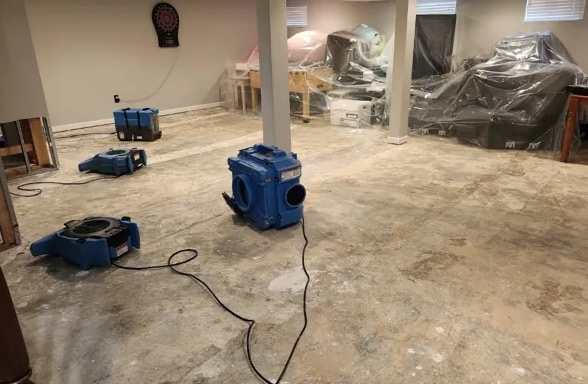
Local Desiccant Dehumidification Services for Puyallup
Desiccant dehumidifiers dry air differently from the refrigerant units most people know. Instead of cooling air to condense water, they pass it over a material that absorbs moisture, which lets them keep working in cool spaces and reach very low humidity.
Property owners in Puyallup can call (253) 785-9361 day or night when water damage needs drying. Service also covers South Hill, Sumner and Edgewood, with equipment sized to the space.
Specialized Desiccant Dehumidification in Puyallup, WA
Mold Prevention Drying
Drying continues until readings on the remaining framing are normal, before walls are closed up again.
Crawl Space Drying
Crawl spaces are cool and damp, which suits desiccant units. Dry air is pushed in to pull moisture from the joists and subfloor.
Flood Drying Services
Floodwater is treated as contaminated, so soaked porous materials are removed and surfaces cleaned before drying starts.
Water Damage Dehumidification
After a leak or flood, dehumidifiers remove moisture from the air so wet drywall, wood and carpet can dry out.
Firefighting Water Drying
After a fire, water used by firefighters soaks walls, floors and ceilings. Desiccant drying helps dry those materials once debris is cleared.
Indicators for Desiccant Dehumidification in Your Puyallup Home
High Humidity Readings on Meter
A hygrometer that keeps reading high humidity days after a leak shows the space is not drying.
Visible Condensation on Windows
Windows that fog or drip inside show the air holds too much moisture for materials to dry.
Warped Wood Floors or Trim
Wood floors or trim that cup or warp after a leak are still taking on moisture.
Efflorescence on Masonry Surfaces
White, powdery deposits on masonry show water moving through concrete or block.
How Desiccant Dehumidification Works in Puyallup
Step 1: Emergency Moisture Evaluation
The wet area is mapped and the right size and type of dehumidifier is chosen.
Step 2: High-Capacity Setup
Large desiccant units are placed for big spaces or cool areas where standard units struggle.
Step 3: Active Drying Cycle
Dry air is moved across wet materials, with daily readings to track progress.
Step 4: Completion and Insurance Records
Final readings and daily drying logs are compiled into a record for your insurer.
What Leads to Humidity Damage Needing Desiccant Dehumidification in Puyallup
Foundation Cracks and Seepage
Foundation cracks let groundwater seep into lower levels, keeping walls and floors damp.
HVAC System Condensation Issues
Clogged AC drain lines overflow into attics, closets and the ceilings below them.
Groundwater Rise After Heavy Rains
Groundwater rising after long rains keeps crawl spaces and lower levels damp.
Plumbing Leaks or Pipe Bursts
Burst pipes and leaking supply lines soak walls and floors that then need drying.
Desiccant Dehumidification for Homes & Businesses in Puyallup
Residential Desiccant Dehumidification
In homes, desiccant drying is most often used in crawl spaces and cool lower levels after leaks or floods. Standard units are used in warm rooms where they work well.
Commercial Desiccant Dehumidification
In commercial buildings, high-capacity desiccant units can dry large floors and high-ceiling spaces after sprinkler leaks or floods, with drying planned around business hours.
Why DIY Falls Short for Desiccant Dehumidification in Puyallup
Buying a moisture meter can help you check walls after a small leak. For larger damage, readings from local moisture removal pros confirm when materials are truly dry.
Desiccant Dehumidification Cost in Puyallup, WA
The cost of desiccant dehumidification in Puyallup depends on the size of the wet area, how wet the materials are and how long the equipment needs to run.
Number of Dehumidifiers
The number and size of dehumidifiers needed for the space is a major part of the cost.
Duration of Equipment Use
Drying usually takes several days, and each day of equipment use adds to the total.
Moisture Saturation Level
Materials that are fully soaked take longer to dry than lightly damp ones.
Does Insurance Cover Desiccant Dehumidification?
Many homeowner policies cover drying after sudden water damage, like a burst pipe, but not long-term humidity or groundwater problems. Check your policy and call your insurer early.
Selecting Local Pros for Desiccant Dehumidification in Puyallup, Washington
Targeted Drying
Equipment is placed for the specific materials and spaces that are wet.
Post-Flood Drying
Floodwater cleanup is followed by drying that continues until readings are normal.
Desiccant Equipment
Desiccant units are used where they fit, such as cool spaces, crawl spaces and large buildings.
Round-the-Clock Desiccant Dehumidification in Puyallup, WA
Water damage that needs drying in Puyallup? Call (253) 785-9361 to get dehumidifiers and air movers in place. Help is available 24/7.
Call Now (253) 785-9361Desiccant Dehumidification Throughout Pierce County, South Hill, Sumner and Edgewood
Besides Puyallup, local moisture removal pros handle desiccant and standard drying in nearby South Hill, Sumner and Edgewood.
- Desiccant Dehumidification in South Hill
- Desiccant Dehumidification in Sumner
- Desiccant Dehumidification in Edgewood
- Desiccant Dehumidification in Milton
- Desiccant Dehumidification in Fife
- Desiccant Dehumidification in Frederickson
- Desiccant Dehumidification in Bonney Lake
- Desiccant Dehumidification in Parkland
- Emergency Damage Restoration in 98371
- Storm Damage Restoration in 98371
- Water Damage Restoration in 98371
- Water Extraction Service in 98371
- Water Leak Detection in 98371
- Water Removal Service in 98371
- Emergency Damage Restoration in 98372
- Storm Damage Restoration in 98372
Desiccant Dehumidification FAQs
What is involved in basement dehumidification after a flood?
Removing water, placing dehumidifiers and air movers and running them until concrete and framing read dry.
What is desiccant dehumidification used for?
Drying spaces after water damage where standard dehumidifiers struggle, such as cool crawl spaces, large buildings and dense materials.
What does water damage dehumidification include?
Taking readings, placing dehumidifiers and air movers, logging progress daily and confirming materials are dry.
How does a desiccant dehumidifier work differently?
It passes air over a material that absorbs moisture instead of cooling the air, so it keeps working in cool conditions.
What are the benefits of construction drying services?
Drying slabs and drywall on schedule so flooring and finishes are not installed over damp materials.