ZIP 98042 · Kent, WA · King County
Emergency Damage Restoration in 98042Emergency Water Removal & Firefighting Water Cleanup
After a storm, Emergency Damage Restoration in Kent means storm damage repair, emergency water extraction and structural drying services.
Answered 24/7
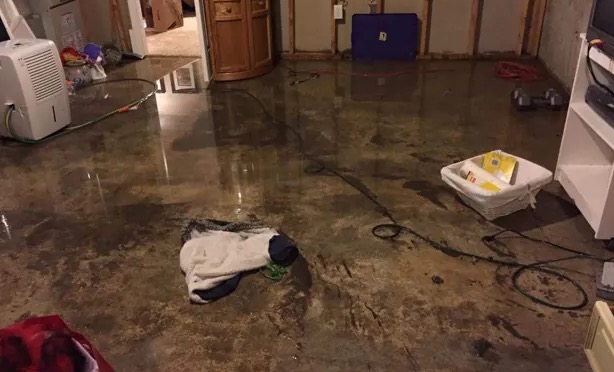
Emergency Damage Restoration for 98042 Properties
Emergencies do not wait for business hours. In Kent, a burst pipe at midnight, a storm on a weekend and a sewer backup on a holiday all need the same thing. Someone has to stop the water and get it out before it spreads.
In Kent, emergency water calls come at all hours, often after storms or plumbing failures. Local water damage restoration experts serve Kent, East Hill, Des Moines and Lakeland North, from water removal to drying and repairs.
Emergency Damage Restoration Solutions in 98042, WA
Emergency Water Removal
Emergency removal starts with stopping the water and making power safe, then extracting from the wettest areas first.
Firefighting Water Cleanup
The water side of a fire loss is handled once the building is safe: wet debris is removed, water extracted and structural drying begins.
Emergency Water Extraction
Emergency extraction focuses on the rooms where water is deepest and the areas where it threatens to reach the floor below.
Storm Damage Repair
Storm water is cleared from ceilings, walls and floors, and wet insulation and drywall are removed where needed so the structure can dry.
Sewage Backup Cleanup
The likely cause of the backup is noted so a plumber can clear or repair the line and prevent another one.
When to Call for Emergency Damage Restoration in 98042
Gaps or Damage After a Storm
Missing shingles, broken windows or other storm damage can let rain into the building during the next storm.
Visible Water Pooling or Dripping
Water pooling on floors or dripping from ceilings means an active leak that needs attention right now.
Warped or Buckling Flooring
Flooring that cups, buckles or lifts at the seams has water trapped underneath it.
Water Damage After a Fire
Wet ceilings, walls and floors in rooms around a fire need extraction and drying even if they did not burn.
How Emergency Damage Restoration Works in 98042
Step 1: Emergency Contact and Assessment
You call any hour, and the source, type of water and safety hazards are checked on the first visit.
Step 2: Water Extraction and Removal
Pumps and extractors remove standing water, starting where it is deepest or most damaging.
Step 3: Drying and Dehumidification
Air movers and dehumidifiers dry walls, floors and framing, with readings taken every day.
Step 4: Cleaning and Sanitizing
Surfaces touched by dirty water are cleaned and disinfected once the water is out.
Typical Origins of Severe Damage in 98042 Homes
Foundation Cracks and Seepage
Foundation cracks let groundwater seep into lower levels and finished rooms after heavy rain.
HVAC System Condensate Issues
Clogged AC condensate drains overflow into closets, attics and the ceilings of the rooms below.
Appliance Malfunctions and Overflows
Washers, water heaters and dishwashers fail without warning and flood nearby rooms.
Burst or Leaking Pipes
Pipes can crack or burst from age, pressure or cold weather, releasing water quickly.
Residential and Commercial Emergency Damage Restoration in 98042
Residential Emergency Damage Restoration
Families with young children or pets should stay out of areas with sewage or floodwater until cleanup is finished.
Commercial Emergency Damage Restoration
Property managers with several units or buildings get separate records for each, which keeps claims and repairs organized.
The Risks of DIY Emergency Damage Restoration in 98042
A small spill on a hard floor can be mopped and dried with a fan. Water in carpet pad, walls or subfloors needs extraction and drying equipment.
Estimating Your Emergency Damage Restoration Investment in 98042
After-hours calls, contents handling, roof tarping and drywall removal all add to the total for emergency damage restoration in Kent.
Water Category
Clean water costs less to handle than sewage or floodwater, which needs disinfection and more removal.
Damage Extent
More rooms and materials affected means more extraction, removal and drying time.
Secondary Damage
Damage that spread because water sat for days adds more materials to remove and replace.
Does Insurance Cover Emergency Damage Restoration?
Coverage for emergency damage restoration depends on the cause and your policy. The pros document the damage and drying, and your insurer decides what is covered.
Why Choose Local Pros for Emergency Damage Restoration in 98042
Industry Methods
Extraction and drying follow industry water damage standards, with readings at every visit.
Hazard Control
Electrical hazards, sagging ceilings and contaminated water are dealt with before cleanup begins.
Detailed Damage Documentation
Photos, readings and drying logs are kept from the first visit to support your insurance claim.
24/7 Emergency Damage Restoration Response for 98042 Properties
Water emergency in Kent? Shut off the source, turn off power to wet areas if safe and call (253) 785-9361. Help is available 24/7.
Call Now (253) 785-9361Emergency Damage Restoration Near 98042: Areas Served
Besides Kent, local water damage restoration experts handle emergency extraction and drying in nearby East Hill, Des Moines and Lakeland North.
Common Emergency Damage Restoration Questions Answered
Can water-damaged electronics be restored?
Sometimes. They should stay unplugged and off until a specialist checks them, since powering them on can cause more damage.
What steps follow the water removal after a fire?
Wet debris is removed, the structure is dried and readings confirm the rooms are ready for repair.
What equipment is used for emergency water extraction?
Submersible pumps, truck-mounted or portable extractors, air movers and dehumidifiers, plus moisture meters to track drying.
What is a tarp used for after storm damage?
Covering roof openings or broken windows to keep more rain out while the inside is extracted and dried.
What happens during the structural drying phase?
Air movers and dehumidifiers run continuously, and readings are taken daily until materials are dry.