Graham, WA · Pierce County
HVAC Leak Water Removal in Graham, WAWet Insulation Removal Near HVAC & Coil Leak Water Damage Repair
HVAC Leak Water Removal in Graham covers AC condensate leak water removal, HVAC cabinet water extraction, and emergency HVAC leak cleanup.
Answered 24/7
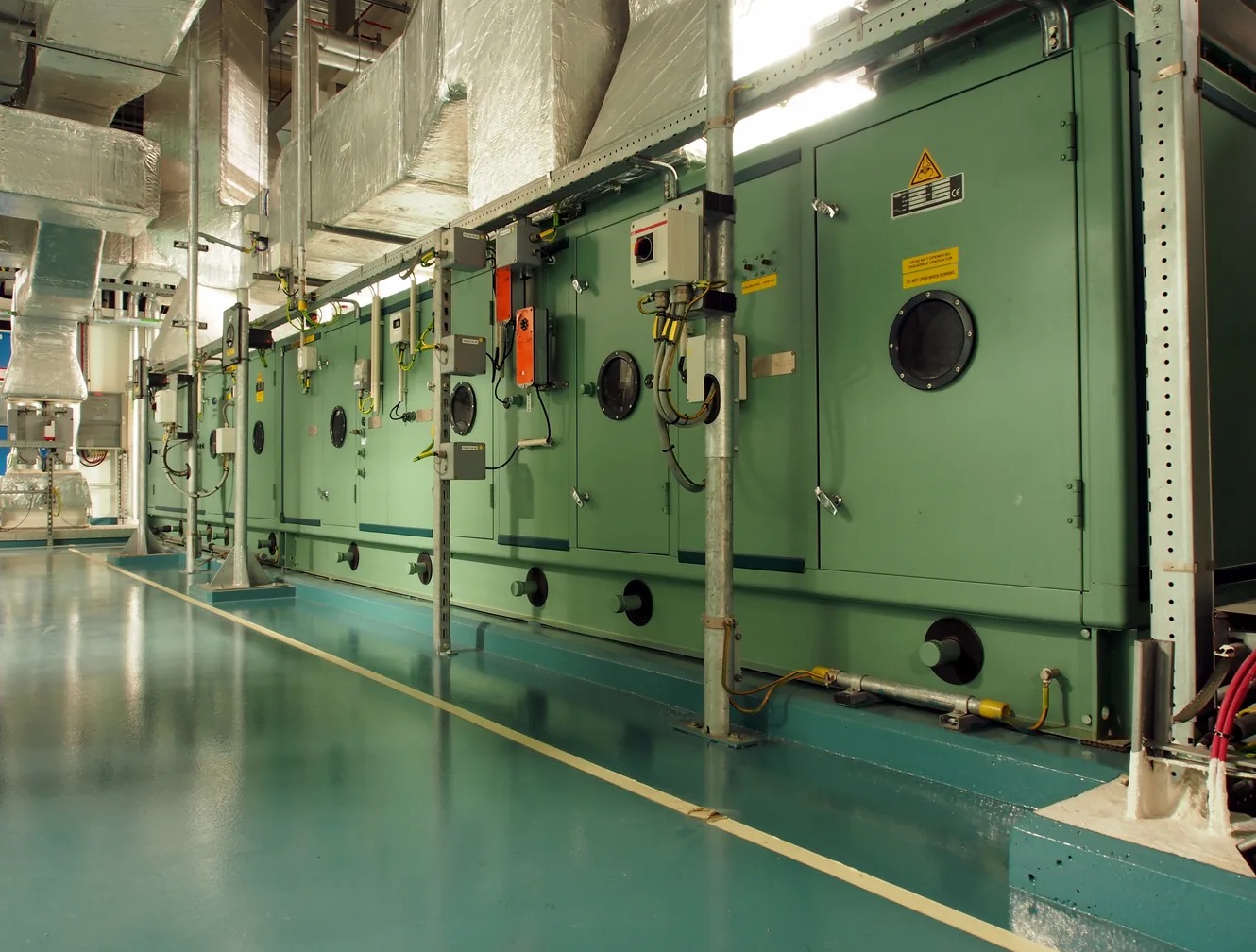
HVAC Leak Water Removal Solutions in Graham
Most air conditioner water damage in Graham starts with a clogged drain line or a cracked pan. The leak is often slow, so drywall, flooring and insulation soak for days before anyone sees a stain.
When an HVAC leak occurs in Graham, water needs to come out quickly to protect interior finishes and electrical systems. Local water removal pros serve this community and nearby areas like Orting, Frederickson and South Hill, extracting water around the unit and drying wet ductwork before damage spreads.
Specialized HVAC Leak Water Removal Services in Graham
Wet Insulation Removal Near HVAC
Fiberglass insulation soaked by an HVAC leak becomes heavy and ineffective. Experts carefully remove this material to access hidden moisture.
Coil Leak Water Damage Repair
A coil that has leaked for weeks often leaves wet framing and flooring around the unit. The pros remove the water and dry those materials, while an HVAC contractor fixes the coil.
HVAC Drain Line Flood Cleanup
A backed-up HVAC drain line can flood a closet or utility area in Graham. The water is extracted and drying starts on the floor and lower walls.
HVAC Cabinet Water Extraction
Standing water in the cabinet rusts the pan, panels and fasteners. Getting it out early stops that, and the cabinet is dried before the system runs again.
Ductwork Condensation Water Removal
Humid air hitting cold metal ductwork makes it sweat and drip. Cleanup means drying the ducts and the drywall, insulation and flooring under them.
When to Consider HVAC Leak Water Removal in Graham
Water Puddles Under HVAC Unit
Standing water or persistent dampness around the air handler or furnace cabinet often signals an active HVAC leak.
Wet or Sagging Insulation Nearby
Damp insulation around an attic unit or in nearby walls holds water against the drywall and framing.
Mold on Air Handler
Visible mold on the unit, the ducts or nearby drywall usually means water has been there for a while.
Musty Odors Near Air Vents
A musty smell when the system runs can point to wet insulation or mold inside the unit or ducts.
How HVAC Leak Water Removal Works in Graham
Step 1: Water Containment
The leak is contained first, then extractors pull water out of the HVAC cabinet and off the floor around it.
Step 2: HVAC Component Damage Evaluation
Wet parts like the drain pan, coil area and controls are noted so an HVAC contractor knows what to check or replace.
Step 3: Structural Drying Protocol
Drying equipment targets wet walls, subfloor and insulation near the unit so damage does not spread.
Step 4: Air Quality Sanitization
Once everything is dry, the cabinet area and nearby surfaces are cleaned to remove odor and residue.
Frequent Sources of HVAC Leak Water Damage in Graham
Failed Condensate Pump
A condensate pump that fails in an attic or utility room cannot move water to the drain, so the reservoir overflows.
Cracked or Disconnected Drain Pan
A damaged or misaligned secondary drain pan beneath the evaporator coil fails to catch condensation overflow.
High Static Pressure in Ducts
An oversized system or closed vents can upset airflow and drainage, so condensate does not drain as it should.
Worn Gaskets or Seal Failures
Worn seals around access panels or coil sections let water escape the cabinet instead of reaching the pan.
HVAC Leak Water Removal for All Properties in Graham
Residential HVAC Leak Water Removal
In homes, an AC condensate leak can rot subfloor and baseboards if it is left. Local water damage pros dry the tight spaces around the unit and record the damage for insurance.
Commercial HVAC Leak Water Removal
A flooded HVAC unit in a commercial building needs a coordinated response. The pros manage large-volume extraction, coordinate with facility managers, and implement drying protocols.
HVAC Leak Water Removal vs. DIY: When to Call Local Pros
A hygrometer can show if indoor humidity is too high, and keeping supply vents open helps airflow. If you see mold inside ducts or smell something musty, DIY cleaning will not reach it. Call (253) 785-9361 for drying help.
Cost Insights for HVAC Leak Water Removal in Graham
Calls at night or on weekends can change the rate for HVAC leak water removal. Dirty water from a drain line also adds cleaning steps to the job.
Water Contamination Category
Clean condensate is simpler to handle than dirty overflow from a drain line, which needs extra cleaning.
Post-Extraction Repairs
Some jobs need small drain line or insulation repairs after drying, which are priced separately.
Drying Time and Equipment
The number of days ducts and materials take to dry decides how long the dehumidifiers run.
Does Insurance Cover HVAC Leak Water Removal?
Policies often cover damage from a sudden leak but not wear and tear or a drain that was never cleaned. Photos and drying records help your adjuster review the claim.
Advantages of Local Pros for HVAC Leak Water Removal in Graham
Containment and Air Filtration
The work area can be closed off so dust and moist air do not spread while wet materials are removed.
Component-Safe Water Removal
Work around the unit is done carefully so coils, wiring and control boards are not damaged further.
Detailed Damage Documentation
Photos and meter readings of the water damage give your adjuster clear records for the claim.
24-Hour Emergency HVAC Leak Water Removal in Graham
Time is critical when dealing with wet ductwork from a coil leak. To initiate emergency HVAC water extraction and drying, call the pros at (253) 785-9361.
Call Now (253) 785-9361HVAC Leak Water Removal Locations Near Graham
In Graham and nearby Orting, Frederickson and South Hill, the pros handle water from HVAC cabinets, drain lines and wet insulation around the unit.
- HVAC Leak Water Removal in Orting
- HVAC Leak Water Removal in Frederickson
- HVAC Leak Water Removal in South Hill
- HVAC Leak Water Removal in Spanaway
- HVAC Leak Water Removal in Prairie Ridge
- HVAC Leak Water Removal in Puyallup
- HVAC Leak Water Removal in Sumner
- HVAC Leak Water Removal in Bonney Lake
- Emergency Damage Restoration in 98338
- Storm Damage Restoration in 98338
- Water Damage Restoration in 98338
- Water Extraction Service in 98338
- Water Leak Detection in 98338
- Water Removal Service in 98338
Frequently Asked Questions About HVAC Leak Water Removal
What's the difference between water extraction and drying?
Extraction removes the liquid water. Drying uses dehumidifiers and air movers to pull out the moisture left in insulation, drywall and wood.
After HVAC system water cleanup, what repairs are needed?
Beyond drying, repairs might include unclogging or replacing a drain line, replacing wet insulation, and servicing the HVAC unit.
What is involved in HVAC leak water removal?
Stopping the leak, extracting standing water, drying the ducts, cabinet area, walls and floor, and checking for hidden moisture with meters.
What documentation do pros provide for insurance?
The pros take photos and moisture readings and keep a drying log of the cleanup that you can send to your insurer.
How quickly should I address AC unit water damage?
As soon as you see it. Water can reach wiring and soak drywall and insulation, and mold can start within a day or two in wet materials.