Federal Way, WA · King County
Rapid Structural Drying in Federal Way, WAWall Cavity Drying & Moisture Mapping Services
Rapid Structural Drying in Federal Way involves emergency structural drying, wall cavity drying, and flood drying services from restoration pros.
Answered 24/7
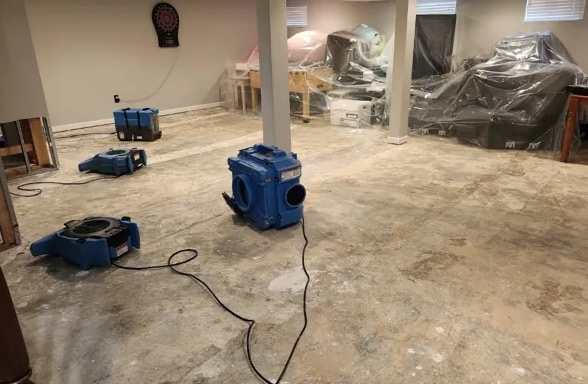
Local Rapid Structural Drying for Federal Way Homes and Businesses
Concrete slabs, subfloors and wall studs all absorb moisture at different rates. Incomplete drying leaves residual dampness that weakens structures over time.
Residential structural drying in Federal Way focuses on protecting family homes from water-related deterioration. Local moisture removal experts perform flood drying services and moisture mapping services as part of a full response. Coverage includes areas around Lakeland North, Lakeland South and Algona for convenient access.
Rapid Structural Drying Services in Federal Way
Wall Cavity Drying
Addressing moisture within walls involves specific drying methods for studs and insulation. Moisture meters track progress, verifying that wall cavities are dry before any restoration work in Federal Way.
Moisture Mapping Services
Effective drying starts with accurate assessment. Moisture mapping services use penetrating and non-penetrating moisture meters to create a detailed picture of affected areas.
Structural Dehumidification
The core of rapid structural drying is aggressive dehumidification. Using low-grain refrigerant (LGR) or desiccant units, pros control the environment to halt secondary damage.
Flood Drying Services
Major flooding requires comprehensive drying strategies. The process scales up extraction and drying equipment to manage the volume of water involved, focusing on structural integrity first.
Crawl Space Drying
Drying removes pooled water and addresses residual moisture in soil and joists with a system tailored to the space's size and conditions.
Indications for Rapid Structural Drying
Peeling Paint or Wallpaper
Paint or wallpaper that is blistering and peeling is often caused by hidden moisture behind the surface.
Condensation Inside Window Frames
Excessive condensation can lead to wall cavity moisture and rot, a common issue addressed by the pros.
Musty Odors in Your Home
A musty smell that will not go away usually means moisture is trapped inside walls or under floors.
Damp Spots on Concrete Floors
Persistent dampness on a concrete slab can leave white mineral deposits and loosen flooring adhesive.
How Rapid Structural Drying Works in Federal Way
Step 1: Emergency Assessment and Moisture Mapping
The pros first perform a detailed inspection using moisture meters and thermal imaging to create a precise moisture map of all affected structural areas.
Step 2: Strategic Flood Drying Setup
Based on the moisture map, air movers and dehumidifiers are placed where they dry the wet materials fastest.
Step 3: Targeted Cavity and Subfloor Drying
Hidden moisture in walls and subfloors is dried with injection systems or drying mats, without tearing out the finishes.
Step 4: Verification and Structural Dehumidification
Pros check moisture levels with meters and adjust equipment until all materials meet dry targets.
How Water Damage Leads to Rapid Structural Drying in Federal Way
Foundation Cracks and Water Seepage
Cracks in a foundation or basement wall permit groundwater intrusion, which can saturate concrete slabs and framing.
Appliance Malfunctions and Leaks
Faulty water heaters, washing machines, or dishwashers can leak slowly, causing hidden damage in walls and floors over time.
Overflowing Sinks or Bathtubs
A bathroom overflow can send water under flooring and into wall cavities, where it stays hidden.
Poor Ventilation in Enclosed Spaces
Inadequate airflow in crawl spaces or wall cavities traps moisture, promoting rot and mold that experts must address.
Property Types Requiring Rapid Structural Drying in Federal Way
Residential Rapid Structural Drying
Homes have drywall and hardwood that can often be saved if dried quickly. Pros dry wall cavities in place to avoid tearing out finishes.
Commercial Rapid Structural Drying
In commercial settings, structural drying addresses complex building systems. The experts handle large open spaces, server rooms, and retail floors, using structural dehumidification to meet strict dryness standards for safety and reopening.
The Risks of Attempting Rapid Structural Drying Yourself
You can sweep water out of a garage or away from a foundation exterior. Inside, place aluminum foil squares on concrete slabs to test for condensation.
Understanding Rapid Structural Drying Investment
Residential structural drying cost in Federal Way hinges on how quickly water is extracted and how many air movers and dehumidifiers are deployed. Drying a subfloor or crawl space also changes the price.
Extent of Water Damage
The square footage and depth of saturation in materials like drywall and subflooring directly impact the drying time and equipment needed.
Access and Complexity
Difficult-to-reach areas like tight crawl spaces or behind finished walls add labor time to the emergency structural drying process.
Project Duration
The total time needed for complete structural dehumidification and achieving dry standards affects the overall labor and equipment rental period.
Does Insurance Cover Rapid Structural Drying?
Commercial structural drying may be covered under a business property policy if the water damage is from a covered event. The business owner should initiate the claim and provide all documentation to their insurer.
The Importance of Expert Rapid Structural Drying
Advanced Moisture Detection
Tools like thermal imagers and moisture meters are used for accurate moisture mapping to find hidden water.
Prevention of Mold Growth
Rapid drying helps control humidity levels, creating an environment less conducive to mold development after water intrusion.
24/7 Emergency Response
Help is available day or night to begin the rapid structural drying process and limit further damage.
24/7 Rapid Structural Drying When You Need It
Need fast structural drying services following a major leak? Contact (253) 785-9361 for 24/7 emergency assistance from the pros in your area.
Call Now (253) 785-9361Rapid Structural Drying Near Federal Way: Areas Served
Across Federal Way and nearby communities, the pros map moisture and dry structures for homes and businesses in Federal Way, Lakeland North, Lakeland South and Algona.
- Rapid Structural Drying in Lakeland North
- Rapid Structural Drying in Lakeland South
- Rapid Structural Drying in Algona
- Rapid Structural Drying in Milton
- Rapid Structural Drying in Auburn
- Rapid Structural Drying in Pacific
- Rapid Structural Drying in Des Moines
- Rapid Structural Drying in Kent
- Emergency Damage Restoration in 98003
- Storm Damage Restoration in 98003
- Water Damage Restoration in 98003
- Water Extraction Service in 98003
- Water Leak Detection in 98003
- Water Removal Service in 98003
- Emergency Damage Restoration in 98023
- Storm Damage Restoration in 98023
Your Rapid Structural Drying Questions Answered
What happens if wall cavity drying is delayed?
Delayed wall cavity drying allows moisture to promote mold growth inside walls, degrade insulation, and potentially weaken drywall or wooden studs, leading to more extensive and invasive repairs.
Why is quick action critical for structural drying?
Quick action limits the extent of water absorption into materials, reduces the drying time required, and helps minimize the potential for costly repairs related to structural decay or mold.
Is rapid structural drying needed for clean water leaks?
Yes, even clean water from a broken pipe requires rapid structural drying to prevent absorption into porous materials, which can lead to swelling, warping, and potential mold.
What areas of a home need structural moisture removal?
Structural moisture removal often targets concealed areas like behind walls, under floors, within ceiling cavities, and in support beams where water can linger and cause hidden damage.
What is involved in subfloor drying?
Subfloor drying involves using specialized air movers and dehumidifiers to draw moisture out of the wooden or concrete layer beneath flooring, often requiring access panels or strategic placement of equipment.