ZIP 98481 · Tacoma, WA · Pierce County
Water Damage Restoration in 98481Structural Drying & Water Removal
Water Damage Restoration in Tacoma covers water removal, flood cleanup and mold prevention after water damage.
Answered 24/7
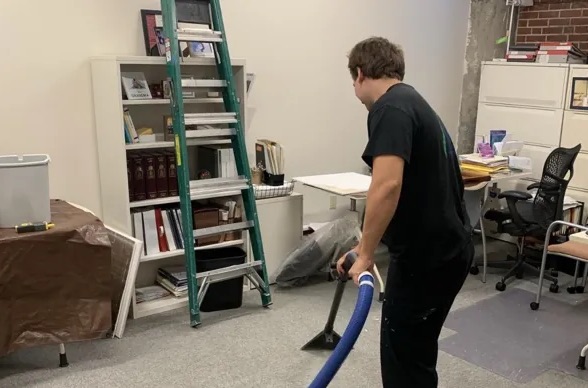
Expert Water Damage Restoration for Properties in 98481
In Tacoma, storms and plumbing failures bring water inside. Local water removal pros handle extraction, sewage cleanup and drying after storm damage.
In Tacoma and nearby Fife, Fircrest and University Place, the pros clean up sewage backups and repair water damage step by step, drying the structure until readings are normal.
Water Damage Restoration Services in 98481
Structural Drying
Structural drying removes moisture from materials like drywall and wood. It uses air movers and dehumidifiers to achieve specific dryness goals, preventing warping and mold.
Water Removal
Quick water removal in Tacoma extracts standing water using powerful pumps. This first step helps prevent further damage to floors and base materials.
Mold Prevention After Water Damage
Surfaces that stayed wet are cleaned and treated with an antimicrobial after drying in Tacoma homes.
Flood Cleanup
Flood cleanup deals with large water volumes inside a building. It prioritizes safety with hazard assessment.
Sewage Cleanup
Toilet and drain backups bring sewage into the home. The pros in Tacoma remove the contaminated water and disinfect with strict safety steps.
Warning Signs You Need Water Damage Restoration
Visible Mold Patches
Any visible mold, especially after a leak, means moisture has stayed long enough for spores to grow.
Sewage Odor in Basement
A sewer smell points to a backup or broken line. Sewage needs protective gear and careful removal.
Cracked or Warping Floorboards
Hardwood floors that warp, cup, or crack are reacting to moisture. The pros can assess and begin drying.
Water Stains on Ceilings
Yellow or brown ceiling stains indicate an ongoing water leak from above. The pros should inspect to identify the hidden source.
How Water Damage Restoration Works in 98481
Step 1: Water Removal Services
Powerful extractors remove the surface water and the water absorbed into carpet and floors.
Step 2: Comprehensive Dehumidification
Commercial dehumidifiers pull moisture from the air and building materials, which dries carpet and walls.
Step 3: Cleaning and Debris Removal
Damaged materials that cannot be saved are safely removed. Salvageable surfaces are cleaned and sanitized as part of the water damage cleanup.
Step 4: Reconstruction and Final Verification
Necessary rebuilding, from drywall to flooring, is completed. A final moisture check verifies the area is dry and restoration is finished.
Frequent Sources of Home Water Damage in 98481
Appliance Malfunctions and Leaks
Water heaters, washing machines, dishwashers and refrigerators can leak or overflow suddenly and flood the floor.
Natural Flooding From Heavy Rain
Heavy rain can overwhelm drainage and send surface water inside through doors and low spots.
Foundation Cracks and Seepage
Hydrostatic pressure can push groundwater through foundation cracks into basements. Flooded basement cleanup and exterior waterproofing are typical solutions.
Fire Suppression System Activation
Fire sprinklers that discharge during a fire or by accident put a lot of water into a building.
Water Damage Restoration for Homes and Businesses in 98481
Residential Water Damage Restoration
Water damage in homes demands quick action to protect personal belongings and structure. The pros address leaks from appliances, roof failures, or plumbing to prevent mold.
Commercial Water Damage Restoration
For businesses, water damage halts operations and puts stock, equipment and data at risk. Pros extract water from offices, stores and warehouses and dry the structure to get you reopened.
Water Damage Restoration vs. DIY: When to Call Water Removal Pros
If a sewage backup occurs, avoid contact and do not flush other toilets. Photograph the damage from a safe distance for insurance. Do not attempt cleaning due to health risks. Sewage cleanup requires safety gear and disinfectants only the pros use.
Understanding Water Damage Restoration Costs in 98481
Cost for water damage cleanup in Tacoma depends heavily on the water's source. Clean water from a supply line is less complex than contaminated sewage, which demands specialized safety and disposal procedures, increasing overall expense.
Affected Materials
Restoration costs vary if water damages drywall, hardwood floors, or custom cabinetry, as each material has different repair or replacement requirements.
Emergency Service Timing
Night and weekend extraction can carry a different rate than work during business hours.
Drying Time Required
How long air movers and dehumidifiers must run affects equipment cost and job length.
Does Insurance Cover Water Damage Restoration?
Mold cleanup after water damage might be covered if the mold came from a sudden, covered leak. Coverage is often limited, so review your policy.
Selecting Local Pros for Water Damage Restoration in 98481
Contamination Safety Protocols
For sewage or dirty flood water, the pros wear protective gear and treat surfaces to reduce health risks.
Thorough Structural Drying
Air movers and dehumidifiers dry the structure and contents until readings are back to normal.
Comprehensive Water Extraction
Industrial pumps and extractors remove standing water in homes and commercial buildings.
Round-the-Clock Water Damage Restoration in 98481
Sewer backups and major flooding need fast, safe handling. Call (253) 785-9361 24/7 for the pros to start sewage cleanup or water extraction.
Call Now (253) 785-9361Water Damage Restoration Service Area Including 98481, WA
In Tacoma, the pros handle flood cleanup and mold removal for homes and businesses, and also serve Fife, Fircrest and University Place.
Water Damage Restoration Information: Your Questions
What are common causes of residential water damage?
Common causes include plumbing failures like burst pipes, appliance leaks from water heaters or washing machines, roof leaks, and flooding from severe weather.
What happens during the flood cleanup process?
Flood cleanup starts with pumping out standing water. Then, mud and debris are removed. The area is cleaned and disinfected.
How quickly should water extraction begin after a flood?
As soon as it is safe. Standing water speeds up damage, and mold can start within 24 to 48 hours.
What is Category 3 water during sewage cleanup?
Category 3 water is grossly contaminated, containing pathogens, as from sewage backups, flooding from rivers, or standing water that has become stagnant.
What is involved in the water damage restoration process?
The process begins with an assessment and emergency water extraction. Then, structural drying services using industrial equipment remove moisture.