ZIP 98460
Water Leak Detection in 98460Slab Leak Detection & Hidden Water Leak Detection
Water Leak Detection in ZIP code 98460 covers hidden water leak detection, slab leak detection and thermal imaging leak detection.
Answered 24/7
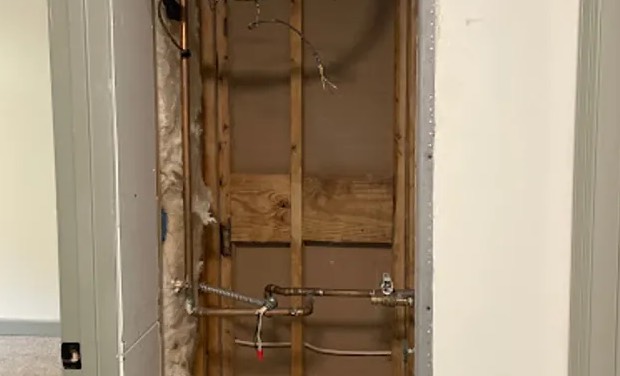
Accurate Water Leak Detection for 98460 Homes
Water leak detection in ZIP code 98460 is a critical step in property maintenance, as unnoticed leaks can weaken structural components, promote mold and result in wasted water reflected on your bill. Timely intervention prevents escalation.
In ZIP code 98460, local water damage pros use thermal imagers and acoustic devices to find leaks accurately before repairs, from emergencies to routine checks, 24/7.
Complete Water Leak Detection Services for 98460
Slab Leak Detection
Slab leak detection focuses on finding breaches in plumbing pipes embedded in or under the concrete foundation.
Hidden Water Leak Detection
Slow, hidden leaks damage the structure over time. In the 98460 ZIP code area, pros use listening tools that pick up the sound of water escaping from pipes to find them.
Pipe Leak Detection
Professionals perform pipe leak detection using a combination of sonic detectors and video inspection equipment.
Water Meter Leak Detection
With all water off, the water meter is checked for movement, which shows whether a hidden leak is running.
Acoustic Water Leak Detection
The acoustic leak detection process involves systematically listening at access points along a pipe's suspected path.
Signs That Point to Hidden Leaks Needing Water Leak Detection
Warm Spots on the Floor
Certain areas of tile or flooring feel unusually warm, which may indicate a hot water line leak.
Increased Humidity in Rooms
The air in a specific room feels persistently muggy or window condensation is excessive, hinting at moisture intrusion.
Foundation Cracks or Shifts
New cracks in your home's foundation or slab can be caused by water erosion from a subsurface leak.
Sounds of Running Water
You hear water flowing or dripping within walls or under floors when all taps and appliances are off.
How Water Leak Detection Works in 98460
Step 1: Initial Assessment and Consultation
The process begins with a discussion of the signs you've observed and a review of the home's plumbing history to narrow the search area.
Step 2: Non-Invasive Leak Detection Scan
Local pros scan walls and floors with thermal cameras for temperature changes that point to water.
Step 3: Acoustic and Pressure Testing
Specialized listening devices and pressure gauges are employed to pinpoint the exact sound or pressure drop associated with the hidden water leak.
Step 4: Verification and Documentation
The suspected leak location is verified, and moisture readings and photos are documented for your records and potential insurance claim review.
Common Causes That Make Water Leak Detection Necessary
Chemical Drain Cleaner Damage
Harsh chemical cleaners can corrode pipe interiors, especially in older metal pipes, thinning walls and creating leak points.
Freeze and Thaw Cycles
Water inside pipes expands when it freezes, creating pressure that can crack pipes, with leaks appearing during the thaw.
Root Intrusion Into Lines
Tree roots seek moisture and can infiltrate underground sewer or water lines, cracking pipes and causing major blockages and leaks.
Faulty Appliance Connections
Washing machine hoses, dishwasher supply lines, and water heater connections can degrade or loosen, leading to sudden water releases.
Residential & Commercial Water Leak Detection in 98460
Residential Water Leak Detection
For homes on concrete slabs, finding the exact leak location means the floor is opened in one small spot instead of several.
Commercial Water Leak Detection
In office buildings or retail spaces, slab leaks can go unnoticed until flooring fails or utility costs soar. Professional leak detection for businesses identifies these hidden issues before they cause major operational and financial impacts.
Why DIY Often Fails for Water Leak Detection in 98460
Look at pipes under sinks, behind toilets and near appliances for moisture, corrosion or drips. Tightening a loose fitting may fix a simple leak. Leaks inside walls need detection equipment.
Understanding Water Leak Detection Cost in 98460
In ZIP code 98460, the cost of leak detection starts with where the leak is. Leaks behind walls or under slabs take more equipment and time to find.
Follow-Up Documentation
Detailed moisture readings and photo documentation for your records can add to the cost.
Access Difficulty
Slab leak detection or leaks within finished spaces can be harder to access, requiring non-destructive methods that add procedural steps.
Confirmation Needs
Some situations require multiple methods to confirm a leak's exact source, which can extend the diagnostic phase of the work.
Does Insurance Cover Water Leak Detection?
Insurance coverage for water leak detection depends on the policy terms and the cause of loss. Homeowners should confirm specifics with their insurer.
Why 98460 Trusts Local Water Damage Pros for Water Leak Detection
Detailed Damage Documentation
The process includes photo evidence and moisture readings, which can be important for your records and any necessary insurance discussions.
Non-Invasive Search Methods
Techniques such as thermal imaging leak detection and acoustic surveys locate hidden moisture sources behind walls or under slabs with minimal disruption.
IICRC-Standard Methods
The approach follows industry-standard guidelines for moisture mapping and documentation, ensuring a systematic process for locating and verifying water intrusion.
24/7 Water Leak Detection for 98460 Emergencies
Water sounds behind a wall or a rising water meter indicate a possible emergency. Reach the experts anytime at (253) 785-9361 for diagnostic service in ZIP code 98460.
Call Now (253) 785-9361Water Leak Detection FAQ for 98460, WA
How long does professional leak detection take?
The time varies greatly based on leak accessibility and home size, from a quick fixture check to several hours for a whole house survey or challenging hidden leak search.
How does acoustic water leak detection function?
Sensitive microphones pick up the sound of water escaping a pipe, which helps find the exact spot through walls or soil.
What areas of the home are checked during leak detection?
The check focuses on areas with plumbing: behind walls near bathrooms and kitchens, under sinks, around water heaters, beneath slabs, and along the main supply lines throughout the house.
Does leak detection work on all pipe types?
Most leak detection methods are effective on common pipe materials like copper, PVC, and PEX, though the material can influence the acoustic signature or thermal profile slightly.
Why is thermal imaging used for leak detection?
Thermal imaging detects temperature variations caused by moisture; cooler wet spots often show up against warmer dry surfaces, allowing visual identification of leak areas behind walls or ceilings.