Puyallup, WA · Pierce County
Basement Water Removal in Puyallup, WABasement Drying Services & Basement Dehumidification
Homeowners in Puyallup get Basement Water Removal for basement floor water damage, basement water pump out and basement moisture inspection.
Answered 24/7
Reliable Basement Water Removal Near Puyallup, Washington
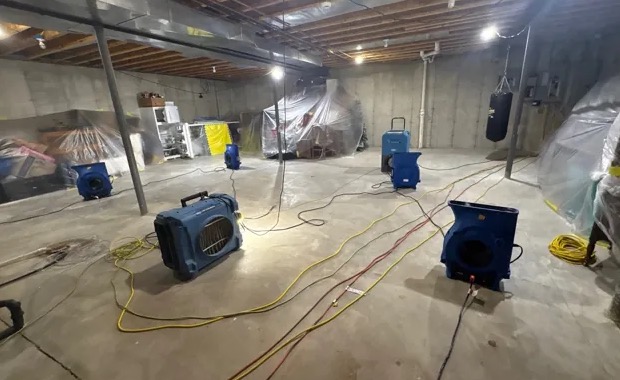
Dehumidification is the slow but necessary part of basement water removal in Puyallup. Pumps remove standing water quickly, but walls and concrete keep releasing moisture for days.
Homeowners in Puyallup can call (253) 785-9361 day or night when the basement is taking on water. Service also covers South Hill, Sumner and Edgewood, with the same pumping and drying steps.
Specialized Basement Water Removal for Puyallup
Basement Drying Services
After pumping, air movers and dehumidifiers dry the walls, framing and slab. Readings are taken daily until every surface is back to normal.
Basement Dehumidification
After drying, a household dehumidifier may still be needed to keep basement humidity in a healthy range.
Basement Floor Water Damage
Flooring that buckled or swelled is removed. Tile and sealed concrete can often be cleaned and dried in place.
Basement Wall Drying
Basement walls are checked with moisture meters. Wet drywall is cut back above the water line, and insulation behind it is removed.
Emergency Basement Flooding
A flooded basement threatens the furnace, water heater and anything stored on the floor. Fast pumping protects what can still be saved.
Signs of Basement Water Damage in Puyallup
Wet or Damp Basement Walls
Basement walls that look dark, feel damp or show tide lines are taking on or holding water.
Mold or Mildew
Dark spots on drywall, framing or stored items mean the area has stayed wet for days.
Efflorescence on Concrete Walls
White, powdery deposits on concrete walls mean water is passing through the masonry.
Gurgling Sounds From Drains
Gurgling floor drains or slow drains can be an early sign of a sewer line problem.
How Basement Water Removal Works in Puyallup
Step 1: Safety Assessment and Pump Out
Electrical hazards are checked, then deep water is pumped outside away from the foundation.
Step 2: Content Removal and Damage Documentation
Wet belongings are moved, and photos record the water level and damaged materials.
Step 3: Targeted Water Removal and Drying
Carpet is extracted, wet drywall is cut back and air is aimed at walls and the slab.
Step 4: Sanitization and Moisture Control
Surfaces touched by dirty water are disinfected, and dehumidifiers keep humidity low.
Common Causes of Basement Water Damage in Puyallup
Heavy Rainfall and Storm Flooding
Heavy rain saturates the soil and pushes water through walls, cracks and the floor joint.
Appliance Malfunctions and Overflows
Washers, utility sinks and water softeners in the basement can overflow or leak.
Foundation Cracks and Seepage
Cracks in foundation walls and the slab let groundwater seep in during wet weather.
Sump Pump Malfunction or Power Loss
A sump pump that fails mechanically or loses power during a storm lets groundwater rise.
Basement Water Removal for Homes and Businesses
Residential Basement Water Removal
In homes, a wet basement often means damaged carpet, drywall and stored belongings, plus a furnace or water heater sitting in water. Water is pumped out and the space dried.
Commercial Basement Water Removal
In commercial buildings, basements often house mechanical rooms and storage. Water is removed quickly so systems can be checked and restarted safely.
Basement Water Removal vs. DIY: When to Call the Pros
A small puddle on bare concrete can be handled with a wet vac, towels and a dehumidifier. Call local basement drying experts if water reached carpet, drywall or framing, or covers much of the floor.
What Influences the Price of Basement Water Removal
Waterproofing and drainage work are separate costs. In Puyallup, they may be needed to stop the next flood.
Water Depth and Volume
Deeper water takes more pumping time and usually means more materials got wet.
Contamination Level
Sewage or dirty water needs protective gear, removal and disinfection, which costs more.
Drying Time Required
Basements dry slowly, and each extra day of equipment adds to the total.
Does Insurance Cover Basement Water Removal?
Photograph the water level, damaged belongings and appliances before cleanup, and keep receipts for emergency pumping and drying equipment for your adjuster.
Benefits of Hiring Local Pros for Basement Water Removal in Puyallup
Focus on Drying Outcomes
Drying continues until readings are normal, not just until surfaces look dry.
Industry Drying Standards
Water removal and drying follow industry water damage standards, with readings at every visit.
Post-Service Moisture Verification
Final readings are recorded before equipment leaves, so you know the basement is dry.
24/7 Emergency Basement Water Removal in Puyallup
Water still rising in the basement? Call (253) 785-9361 now for basement water removal in Puyallup before the water reaches finished rooms and stored belongings.
Call Now (253) 785-9361Local Basement Water Removal Coverage for South Hill, Sumner and Edgewood
Nearby areas served for basement water removal include South Hill, Sumner and Edgewood, with the same pumping and drying steps used in Puyallup.
- Basement Water Removal in South Hill
- Basement Water Removal in Sumner
- Basement Water Removal in Edgewood
- Basement Water Removal in Milton
- Basement Water Removal in Fife
- Basement Water Removal in Frederickson
- Basement Water Removal in Bonney Lake
- Basement Water Removal in Parkland
- Emergency Damage Restoration in 98371
- Storm Damage Restoration in 98371
- Water Damage Restoration in 98371
- Water Extraction Service in 98371
- Water Leak Detection in 98371
- Water Removal Service in 98371
- Emergency Damage Restoration in 98372
- Storm Damage Restoration in 98372
Answers to Top Basement Water Removal Queries
What happens during basement moisture control?
Dehumidifiers and air movers keep humidity low while materials dry, and readings confirm when the space is normal.
What causes basement floor water damage?
Storm seepage, burst pipes, appliance leaks, foundation cracks and sewer backups through floor drains are the usual sources.
What is the difference between a pump out and extraction?
A pump out removes deep standing water. Extraction pulls the remaining water from carpet, pad and floors.
What equipment is used for basement water extraction?
Submersible pumps, extractors, wet vacs, air movers, large dehumidifiers and moisture meters to confirm drying.
What should I do right after basement flooding?
Make power safe, avoid sewage, move belongings above the water, take photos and call for water removal.