South Hill, WA · Pierce County
Basement Water Removal in South Hill, WABasement Water Pump Out & Basement Floor Water Damage
Homeowners in South Hill get Basement Water Removal for basement floor water damage, basement water pump out and basement moisture inspection.
Answered 24/7
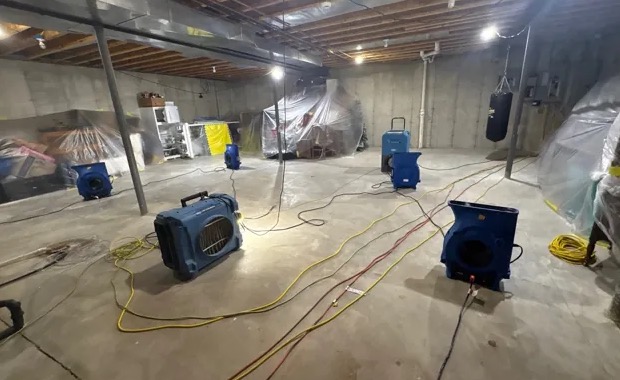
Expert Basement Water Removal in South Hill, Puyallup, Orting and Sumner
Basement Water Removal in South Hill starts with safety. Water near the furnace, water heater or electrical panel can be dangerous, so power is made safe before anyone steps into it.
A single storm or burst pipe in South Hill can flood a basement. Local basement water removal pros serve South Hill and nearby Puyallup, Orting and Sumner, with help available around the clock.
Basement Water Removal Services in South Hill
Basement Water Pump Out
When water is more than an inch or two deep, pumps move it far faster than wet vacs, which limits how long walls sit in water.
Basement Floor Water Damage
Flooring that buckled or swelled is removed. Tile and sealed concrete can often be cleaned and dried in place.
Basement Dehumidification
Dehumidifiers run continuously during drying, and their output is checked to track how much water is still coming out of the materials.
Basement Drying Services
Drying plans for basements account for cool air and thick concrete, which hold moisture longer than upper floors.
Sump Pump Failure Water Cleanup
When a sump pump stops, groundwater spreads across the floor. The water is pumped out and the floor and lower walls are extracted.
Signs of Basement Water Damage in South Hill
Warped or Buckling Flooring
Flooring that buckles, lifts or feels spongy has water trapped between it and the slab.
Soggy or Wet Carpeting
Carpet that feels damp or smells sour is holding water in the pad against the concrete.
Gurgling Sounds From Drains
Gurgling floor drains or slow drains can be an early sign of a sewer line problem.
High Humidity and Condensation
Water on pipes and windows, or a constantly clammy feel, means basement humidity is too high.
How Basement Water Removal Works in South Hill
Step 1: Source Control and Water Pump Out
The leak is shut off and standing water is pumped out, starting at the lowest point.
Step 2: Water Extraction
Extractors pull water from carpet, pad and concrete, and wet vacs clear corners and stairs.
Step 3: Dehumidification and Drying
Large dehumidifiers and air movers dry walls, framing and slab over several days.
Step 4: Inspection and Clearance for Repair
Final readings confirm the basement is dry and ready for drywall and flooring repairs.
Sources of Basement Water Problems
Clogged or Damaged Gutters
Clogged gutters and short downspouts dump roof water right next to the foundation.
Heavy Rainfall and Storm Flooding
Heavy rain saturates the soil and pushes water through walls, cracks and the floor joint.
Improper Landscape Grading
Soil that slopes toward the house directs rainwater straight to the basement walls.
Foundation Cracks and Seepage
Cracks in foundation walls and the slab let groundwater seep in during wet weather.
Professional Basement Water Removal for All Properties
Residential Basement Water Removal
Families should keep children and pets away from basement water until power is safe and the type of water is known.
Commercial Basement Water Removal
In restaurants and shops, basement water near food or stock storage needs removal and cleaning before those areas are used again.
When to Hire Local Pros for Basement Water Removal
Water that came up through a floor drain may be sewage. Avoid touching it, keep children and pets away and call local basement water removal pros for cleanup with protective gear and disinfection.
Investing in Professional Basement Water Removal
The cost of basement water removal in South Hill depends on how deep the water is, what type of water it is and how much finished material has to come out.
Drying Time Required
Basements dry slowly, and each extra day of equipment adds to the total.
Water Depth and Volume
Deeper water takes more pumping time and usually means more materials got wet.
Basement Square Footage
Larger basements need more extraction, more drying equipment and more days of drying.
Does Insurance Cover Basement Water Removal?
Ask your adjuster early how your policy treats seepage and sewer backups, since many policies limit or exclude both kinds of water.
Benefits of Hiring Local Pros for Basement Water Removal in South Hill
Detailed Damage Documentation
Photos, readings and drying logs are kept to support your insurance claim.
Clear Communication
You get plain updates on what was found, what was removed and how drying is going.
Contamination Safety Protocols
Sewage and dirty water are handled with protective gear, containment and disinfection.
Round-the-Clock Basement Water Removal for South Hill
If water is near outlets, the furnace or the electrical panel, stay out of it. Call (253) 785-9361 for help in South Hill and wait for power to be made safe.
Call Now (253) 785-9361Basement Water Removal Serving South Hill and Surroundings
Besides South Hill, the pros handle basement pump-outs, wall drying and dehumidification in nearby Puyallup, Orting and Sumner.
Answers to Top Basement Water Removal Queries
What equipment is used for basement water extraction?
Submersible pumps, extractors, wet vacs, air movers, large dehumidifiers and moisture meters to confirm drying.
What causes basement floor water damage?
Storm seepage, burst pipes, appliance leaks, foundation cracks and sewer backups through floor drains are the usual sources.
What is emergency basement flooding response?
Help any hour to make power safe, stop the source, pump out water and start drying before more damage sets in.
How does a basement moisture inspection work?
Moisture meters and thermal cameras check walls, floors and the slab, including behind finished walls and under flooring.
Is a sump pump failure an emergency?
Yes, especially during rain. Groundwater can rise quickly once the pump stops, flooding the floor and finished rooms.