Clyde Hill, WA · King County
Desiccant Dehumidification in Clyde Hill, WAWater Damage Dehumidification & Mold Prevention Drying
After a flood, Desiccant Dehumidification in Clyde Hill means flood drying services, emergency dehumidification and water damage dehumidification.
Answered 24/7
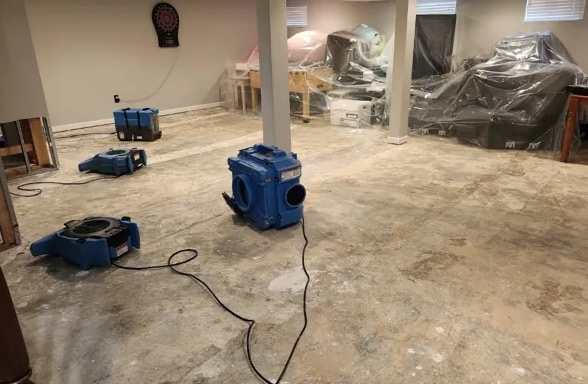
Expert Desiccant Dehumidification for Clyde Hill Properties
Crawl spaces in Clyde Hill are cool, damp and tight, which slows drying with standard equipment. Desiccant units push dry air in to pull moisture from the joists and subfloor.
Property owners in Clyde Hill can call (253) 785-9361 day or night when water damage needs drying. Service also covers Medina, Bellevue and Kirkland, with equipment sized to the space.
Specialized Desiccant Dehumidification in Clyde Hill, WA
Water Damage Dehumidification
After a leak or flood, dehumidifiers remove moisture from the air so wet drywall, wood and carpet can dry out.
Mold Prevention Drying
Drying an area quickly after affected materials are removed limits regrowth. Desiccant units help reach low humidity in closed work areas.
Construction Drying Services
New construction can trap moisture in concrete, drywall mud and framing. Desiccant units help dry the building before finishes go in.
Emergency Dehumidification
Emergency dehumidification starts as soon as standing water is removed, which limits swelling, warping and odor.
Basement Dehumidification
Cool basements are where desiccant units often help most, since they keep removing moisture when the air temperature is low.
Symptoms Requiring Desiccant Dehumidification in Clyde Hill
Spongy Drywall or Soft Spots
Drywall that feels soft or spongy has absorbed water and may need removal if it does not dry.
Peeling Paint or Wallpaper
Paint or wallpaper that peels after a leak has moisture behind it that has not dried.
Cold, Damp Feeling in Air
Air that feels cold and damp, especially in lower levels, can be too cool for standard dehumidifiers to work well.
Recent Water Damage Event
Any recent leak or flood that soaked drywall, flooring or framing needs drying beyond a household unit.
How Desiccant Dehumidification Works in Clyde Hill
Step 1: Emergency Moisture Evaluation
The wet area is mapped and the right size and type of dehumidifier is chosen.
Step 2: High-Capacity Setup
Large desiccant units are placed for big spaces or cool areas where standard units struggle.
Step 3: Active Drying Cycle
Dry air is moved across wet materials, with daily readings to track progress.
Step 4: Completion and Insurance Records
Final readings and daily drying logs are compiled into a record for your insurer.
Common Causes for Desiccant Dehumidification in Clyde Hill
Groundwater Rise After Heavy Rains
Groundwater rising after long rains keeps crawl spaces and lower levels damp.
Appliance Malfunctions and Overflows
Washers, dishwashers and water heaters that leak leave wet floors, cabinets and walls.
Roof Leaks From Damaged Shingles
Roof leaks from damaged shingles soak attic insulation, roof decking and the ceilings below.
Foundation Cracks and Seepage
Foundation cracks let groundwater seep into lower levels, keeping walls and floors damp.
Residential and Commercial Desiccant Dehumidification in Clyde Hill
Residential Desiccant Dehumidification
Homes with wet attics after roof leaks may need attic drying equipment placed carefully on boards for safe footing.
Commercial Desiccant Dehumidification
Schools, offices and medical buildings may schedule equipment setup and removal after hours to limit disruption to staff and visitors.
Professional Desiccant Dehumidification or DIY in Clyde Hill?
Rented desiccant units need correct setup and ducting to work well. If you are unsure how to place them or when materials are dry, call (253) 785-9361.
Investing in Desiccant Dehumidification for Clyde Hill Properties
The cost of desiccant dehumidification in Clyde Hill depends on the size of the wet area, how wet the materials are and how long the equipment needs to run.
Duration of Equipment Use
Drying usually takes several days, and each day of equipment use adds to the total.
Additional Restoration Steps
Extraction, material removal and cleaning before drying are separate steps that add to the total.
Access and Complexity
Crawl spaces, tight areas and large buildings take more effort to set up and monitor.
Does Insurance Cover Desiccant Dehumidification?
Daily humidity and moisture logs from local drying pros help support an insurance claim for drying after water damage in Clyde Hill.
Benefits of Local Pros for Desiccant Dehumidification in Clyde Hill
24/7 Emergency Response
Help is available day or night to set up drying equipment after a leak or flood.
Damage Assessment
The full affected area is checked, including rooms next to and below the source.
Detailed Moisture Documentation
Daily humidity and moisture readings are logged to show progress and support insurance claims.
Emergency Desiccant Dehumidification Response for Clyde Hill
If the wet area has electrical hazards or sagging ceilings, stay clear and shut off power if it is safe. Then call (253) 785-9361 for help in Clyde Hill.
Call Now (253) 785-9361Desiccant Dehumidification Service Area Including Clyde Hill
Help with desiccant dehumidification reaches Medina, Bellevue and Kirkland, plus other communities around Clyde Hill, for houses, apartments and large buildings.
- Desiccant Dehumidification in Medina
- Desiccant Dehumidification in Bellevue
- Desiccant Dehumidification in Kirkland
- Desiccant Dehumidification in Mercer Island
- Desiccant Dehumidification in Newcastle
- Desiccant Dehumidification in Sammamish
- Desiccant Dehumidification in Union Hill
- Desiccant Dehumidification in Kenmore
Answers to Top Desiccant Dehumidification Queries
What equipment is used for commercial building drying?
High-capacity desiccant or refrigerant dehumidifiers, air movers, moisture meters and sometimes ducting to direct dry air.
Can desiccant dehumidification dry behind walls?
Dry air helps, especially when directed into wall cavities through small openings, with readings to confirm results.
When is desiccant dehumidification a better choice than refrigerant units?
In cool spaces, very large areas or when very low humidity is needed to dry dense materials.
What are the benefits of construction drying services?
Drying slabs and drywall on schedule so flooring and finishes are not installed over damp materials.
What is desiccant dehumidification used for?
Drying spaces after water damage where standard dehumidifiers struggle, such as cool crawl spaces, large buildings and dense materials.