Kirkland, WA · King County
Desiccant Dehumidification in Kirkland, WACrawl Space Drying & Flood Drying Services
Desiccant Dehumidification in Kirkland covers flood drying services, crawl space drying and emergency dehumidification.
Answered 24/7
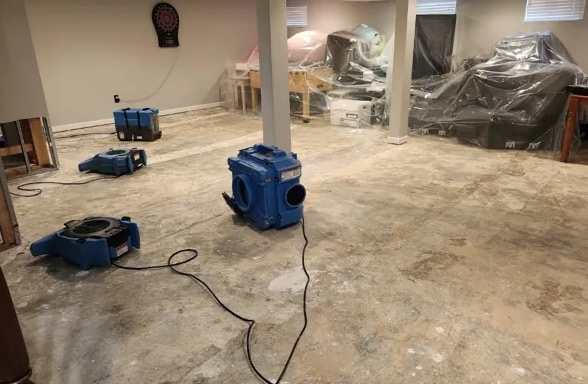
Desiccant Dehumidification Solutions in Kirkland, Washington
After a fire in Kirkland, the water used to put it out soaks rooms well beyond the burned area. That water needs to come out before rebuilding.
In Kirkland, Clyde Hill, Medina and Bellevue, builders sometimes need slabs and drywall dried before flooring goes in. The pros lower humidity on the job site to speed that up.
Desiccant Dehumidification Options Available in Kirkland
Crawl Space Drying
Crawl spaces are cool and damp, which suits desiccant units. Dry air is pushed in to pull moisture from the joists and subfloor.
Flood Drying Services
Flood drying pairs desiccant units with air movers aimed at wet materials, with readings taken every day until the structure is dry.
Basement Dehumidification
Basement concrete and framing release water slowly. Desiccant drying keeps humidity low so they can dry in a reasonable time.
Mold Prevention Drying
In contained work areas, desiccant dehumidifiers keep the air dry while damaged materials are removed and framing is cleaned.
Emergency Dehumidification
Help is available any hour to set up drying equipment after a leak or flood, so moisture does not sit overnight in materials.
Red Flags for Desiccant Dehumidification in Kirkland Properties
Efflorescence on Masonry Surfaces
White, powdery deposits on masonry show water moving through concrete or block.
Wet Insulation in Attics or Walls
Insulation that is wet in attics or walls holds water against framing and slows drying.
Spongy Drywall or Soft Spots
Drywall that feels soft or spongy has absorbed water and may need removal if it does not dry.
Peeling Paint or Wallpaper
Paint or wallpaper that peels after a leak has moisture behind it that has not dried.
How Desiccant Dehumidification Works in Kirkland
Step 1: Emergency Moisture Evaluation
The wet area is mapped and the right size and type of dehumidifier is chosen.
Step 2: High-Capacity Setup
Large desiccant units are placed for big spaces or cool areas where standard units struggle.
Step 3: Active Drying Cycle
Dry air is moved across wet materials, with daily readings to track progress.
Step 4: Completion and Insurance Records
Final readings and daily drying logs are compiled into a record for your insurer.
Common Causes for Desiccant Dehumidification in Kirkland
Roof Leaks From Damaged Shingles
Roof leaks from damaged shingles soak attic insulation, roof decking and the ceilings below.
Severe Weather and Storm Flooding
Storms and flooding soak lower levels and leave large volumes of wet material.
Plumbing Leaks or Pipe Bursts
Burst pipes and leaking supply lines soak walls and floors that then need drying.
Fire Suppression System Activation
Fire sprinklers and firefighting water soak large areas of a building at once.
Desiccant Dehumidification for All Property Types in Kirkland
Residential Desiccant Dehumidification
Homeowners with damp basements may need desiccant drying after a flood because cool concrete and air slow standard units.
Commercial Desiccant Dehumidification
Warehouses with large slabs and stock need humidity kept low during drying to protect inventory and dry the concrete.
Professional Desiccant Dehumidification or DIY in Kirkland?
Buying a moisture meter can help you check walls after a small leak. For larger damage, readings from local water damage restoration pros confirm when materials are truly dry.
Understanding Desiccant Dehumidification Expenses in Kirkland
Repairs after drying are a separate cost. In Kirkland, fully dried materials often mean fewer repairs are needed.
Duration of Equipment Use
Drying usually takes several days, and each day of equipment use adds to the total.
Additional Restoration Steps
Extraction, material removal and cleaning before drying are separate steps that add to the total.
Affected Area Size
Larger affected areas need more drying units and more air movers running at once.
Does Insurance Cover Desiccant Dehumidification?
Coverage for desiccant dehumidification depends on the cause of the water and your policy. The pros document the drying, and your insurer decides what is covered.
Selecting Local Pros for Desiccant Dehumidification in Kirkland, Washington
Industry Drying Standards
Drying follows industry water damage standards, with readings taken at every visit.
Prevention of Mold
Fast, complete drying is one of the main ways to keep mold from starting after water damage.
24/7 Emergency Response
Help is available day or night to set up drying equipment after a leak or flood.
24/7 Emergency Desiccant Dehumidification in Kirkland
The sooner drying starts, the fewer materials need replacing. Call (253) 785-9361 for desiccant dehumidification in Kirkland right after a leak or flood.
Call Now (253) 785-9361Desiccant Dehumidification Throughout King County, Clyde Hill, Medina and Bellevue
Help with desiccant dehumidification is also available in communities near Kirkland, including Clyde Hill, Medina and Bellevue, for floods, crawl spaces and commercial buildings.
- Desiccant Dehumidification in Clyde Hill
- Desiccant Dehumidification in Medina
- Desiccant Dehumidification in Bellevue
- Desiccant Dehumidification in Woodinville
- Desiccant Dehumidification in Kenmore
- Desiccant Dehumidification in Lake Forest Park
- Desiccant Dehumidification in Bothell
- Desiccant Dehumidification in Cottage Lake
- Emergency Damage Restoration in 98033
- Storm Damage Restoration in 98033
- Water Damage Restoration in 98033
- Water Extraction Service in 98033
- Water Leak Detection in 98033
- Water Removal Service in 98033
- Emergency Damage Restoration in 98034
- Storm Damage Restoration in 98034
Frequently Asked Questions About Desiccant Dehumidification
What are the benefits of construction drying services?
Drying slabs and drywall on schedule so flooring and finishes are not installed over damp materials.
What equipment is used for commercial building drying?
High-capacity desiccant or refrigerant dehumidifiers, air movers, moisture meters and sometimes ducting to direct dry air.
What is desiccant dehumidification used for?
Drying spaces after water damage where standard dehumidifiers struggle, such as cool crawl spaces, large buildings and dense materials.
How is emergency dehumidification different from standard service?
It starts right after a leak or flood, any time of day, so materials do not keep soaking up moisture.
How do rapid drying methods protect my property?
They dry materials before they swell, warp or grow microbes, which keeps repairs smaller.